


Risk
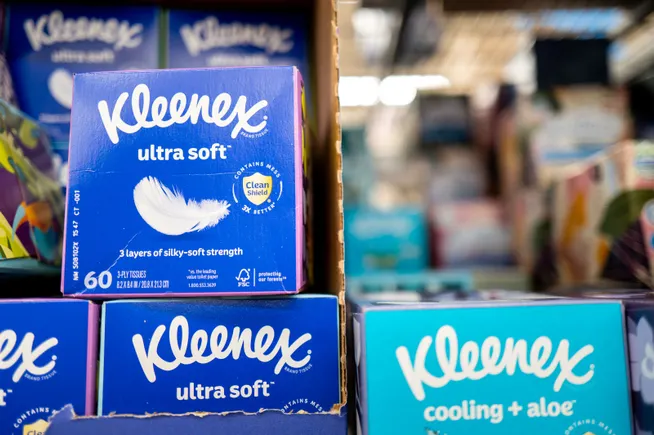
Kimberly-Clark has initiated a proprietary alternative natural fiber program, constructing a pilot facility in Yuma, Arizona, to assess the hesperaloe plant as a potential year-round fiber source for hygiene products. The initiative is expected to enhance supply chain resilience, reduce cost volatility, and advance the company's forest fiber-free ambitions, according to an Aug. 3 press release and an Aug. 4 earnings call.
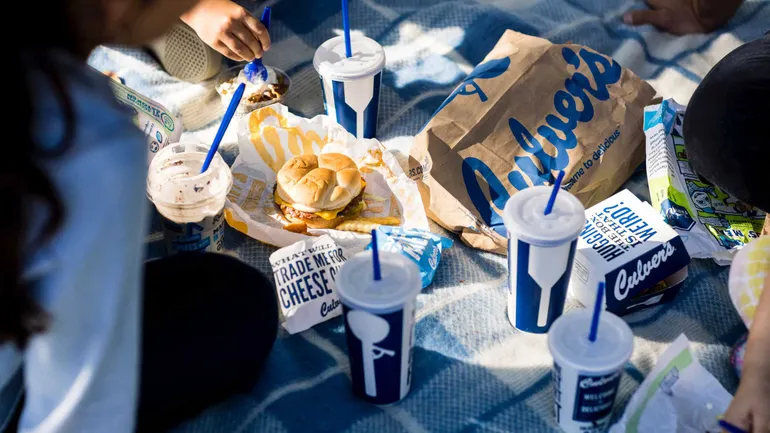
Culver's has partnered with supply chain provider Armada to reorganize its distribution network, aiming to improve efficiency as it targets opening up to 55 new locations annually over the next three to five years. The collaboration includes live frozen redistribution in two nodes and a dry program in development.
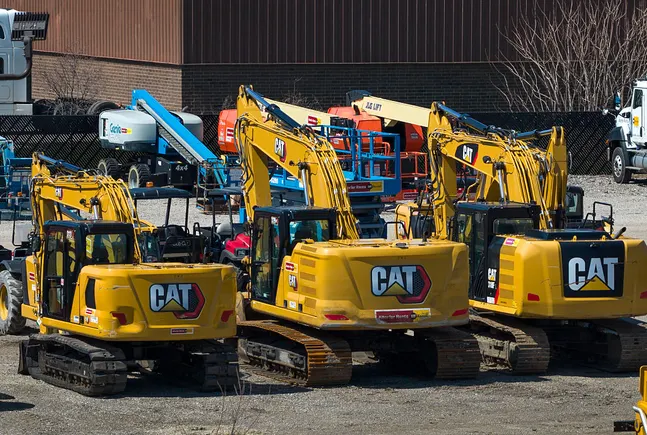
Caterpillar reported $392 million in refunds for invalidated tariffs during the second quarter, as actual duty costs fell more than 40% below its earlier forecast. CFO Kyle Epley cited $400 million in tariff expenses for the quarter (excluding refunds), versus a $700 million estimate from April. The company expects around $600 million in tariff costs in the current quarter and roughly $2.2 billion for full-year 2026, at the low end of its prior range.

Target has developed Proxima, a digital twin of its middle-mile inventory positioning system, to simulate inventory decisions before implementation. Early pilots improved fresh food on-shelf availability by 2.5% and supported the launch of its Houston Receive Center with 98% simulation accuracy.
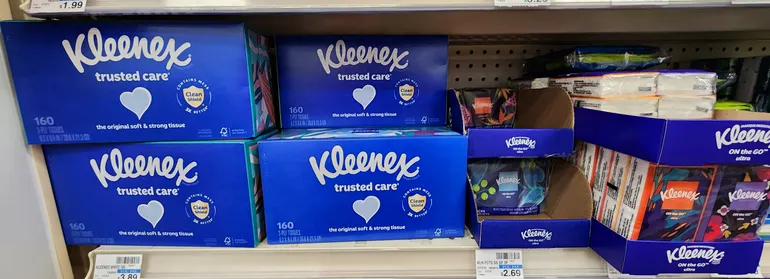
Kimberly-Clark secured a $45 million refund in the second quarter for invalidated U.S. tariffs it paid in 2025, CFO Nelson Urdaneta said on an Aug. 4 earnings call. The refund covers about half of the personal care maker's North American tariff payments, including now-defunct IEEPA levies and Canadian retaliatory duties. The company expects no further material refunds this year and will use the funds to offset roughly $150 million in gross input headwinds from higher oil prices in H2.