


Housing

The U.S. Department of Housing and Urban Development (HUD) and partner agencies have introduced a 'Treatment First' toolkit aimed at guiding local leaders in addressing homelessness and addiction. The toolkit marks a departure from the traditional housing-first approach, prioritizing treatment and self-sufficiency. It has been met with criticism from disability rights advocates who view it as conditioning shelter on compliance. The toolkit outlines a five-phase recovery model and highlights successful outreach programs, such as LA County's Homeless Outreach Services Team.
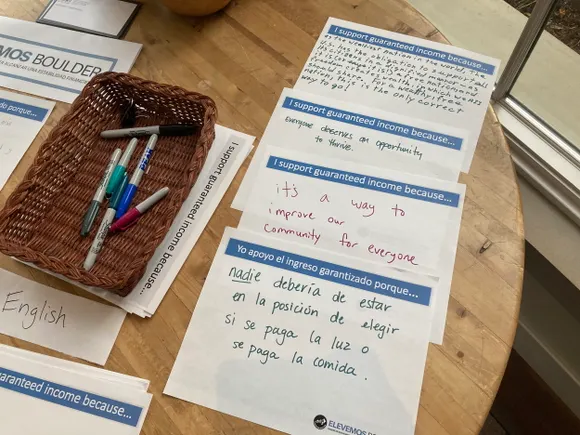
自2019年加州斯托克顿启动首个试点以来,美国已有超过150个城市推出无条件基本收入项目。近期多项研究显示,这类每月无条件现金补助有效缓解了住房、食品等基本需求压力,并改善了受助者的心理健康,但在促进长期就业和财务自给方面效果有限。部分城市已扩大或永久化该项目,也有州政府以“助长依赖”为由加以禁止。

The Trump administration's federal workforce cuts, led by DOGE, have unsettled the Washington, D.C., apartment market. While owners and REITs report no immediate portfolio impacts, they worry about demand, leasing, and transaction activity. Market diversification and return-to-office mandates offer some counterbalance.
Houston's homeless response system, The Way Home, relies on rigorous data analysis to invest limited public funds where they yield the highest returns. With over $60 million in federal, state, and county funding last year, the city has reduced homelessness by 63% since 2011. This article explores how data collection, from Homeless Management Information Systems to point-in-time counts, informs strategic decisions, evaluates program impact, and drives the housing-first model—while acknowledging the challenges of data privacy, quality, and integration.

Houston's homelessness response system, built on a housing-first model with wraparound services, has cut regional homelessness by about 63% since 2011. Central to this success is The Way Home, a coordinated continuum of care that aligns over 20 funding sources, multiple agencies, and diverse service providers. This piece examines the mechanics, benefits, and challenges of Houston's coordinated approach, drawing on insights from key stakeholders.

Houston's housing-first model is reducing homelessness. Here’s how it works and the obstacles it faces.

U.S. cities have long struggled to provide adequate public toilets, with the country averaging eight per 100,000 people. Philadelphia, responding to a hepatitis A outbreak, is installing Portland Loos, while Washington, D.C. is launching its own pilot program. The shortage disproportionately affects unhoused people, and cities are now exploring permanent, equitable solutions.