


Regulation
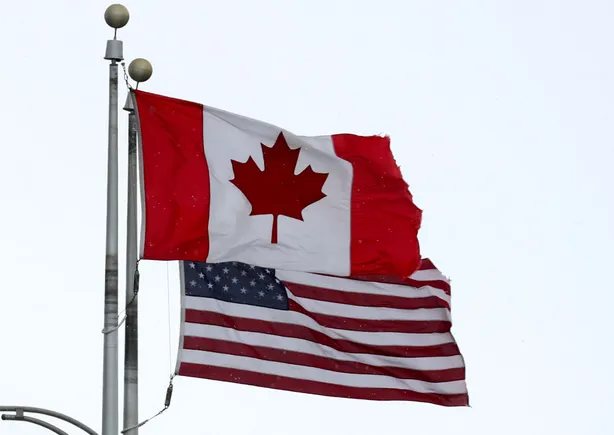
The United States and Canada failed to reach an agreement on tariffs, with both sides imposing high tariffs on each other, raising concerns across industries. Industry associations in agriculture, apparel, retail, and consumer goods point to heightened risks of supply chain disruptions and rising costs, urging both parties to return to the negotiating table.
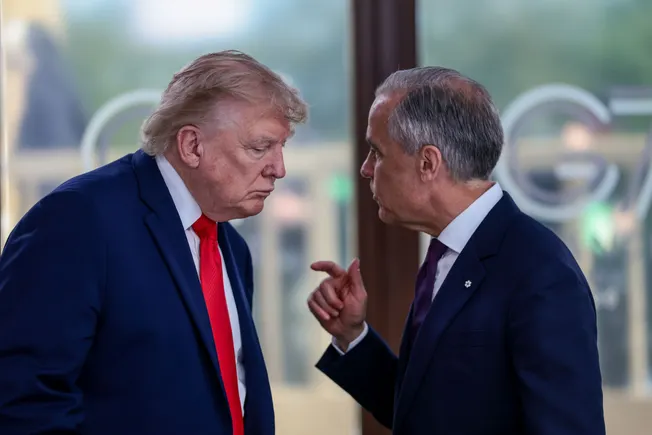
Trade tensions between the United States and Canada continue to escalate, directly impacting the highly integrated North American packaging supply chain. Canada has announced retaliatory tariffs of up to 50% on US goods, including pulp, paper, aluminum, and steel, while the US has imposed high tariffs on Canadian lumber, paper, and metals. Packaging industry companies are assessing the potential impact, and industry associations are calling for resolution through negotiations to avoid long-term damage to manufacturers, workers, and consumers in both countries from cross-border supply chain disruptions.
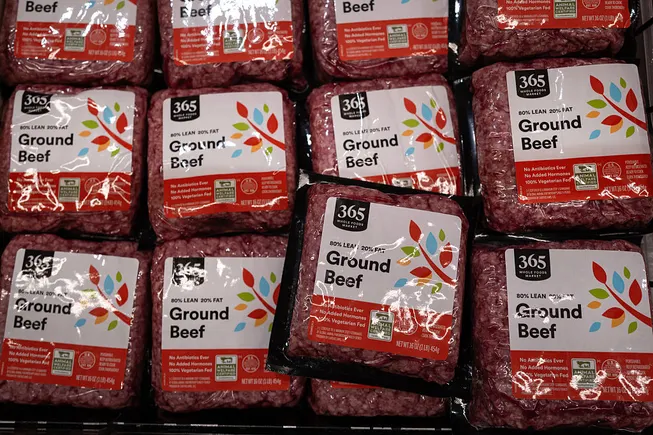
US President Donald Trump announced on Friday that he will temporarily exempt tariffs on some ground beef imports to lower consumer prices that remain near historic highs. The US will allow up to 300,000 tons of ground beef to be imported with zero over-quota tariffs within the next 90 days, and has secured commitments that this beef will be sold at prices 25% below current market levels. This move aims to ease the burden on consumers while helping domestic ranchers rebuild supply.
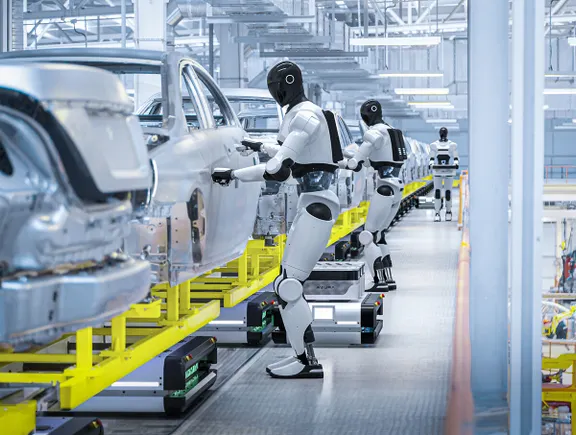
The U.S. Federal Communications Commission (FCC) updated its covered list on July 28, banning the import and sale of foreign-made mobile robots and connected power inverters, sparking expert discussion. Some experts believe this move aims to boost domestic robot production, while others worry it may affect alliances.
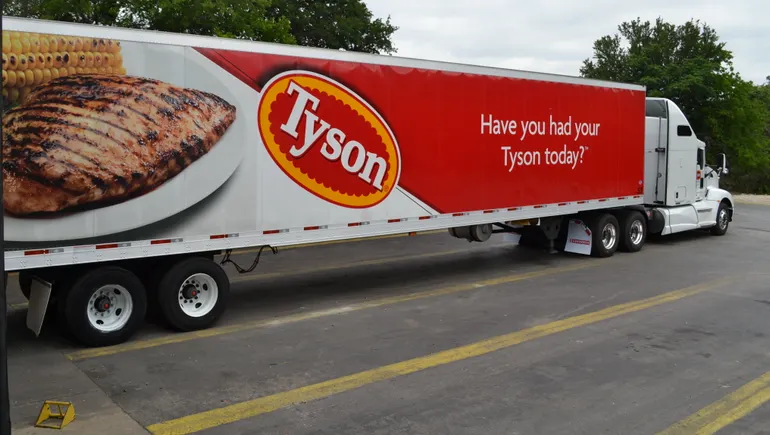
In its latest earnings report, Tyson Foods lowered its full-year profit outlook and acknowledged that high beef prices are unlikely to fall in the short term. The beef division posted an operating loss of $138 million in the third quarter, with sales volume down 15.9% and prices up 12.1%. Despite closing plants and optimizing its network, industry challenges continue to weigh on profitability.
U.S. Customs and Border Protection (CBP) has paid $100 billion in tariff refunds under the International Emergency Economic Powers Act (IEEPA), accounting for nearly 80% of accepted refund applications as of July 31.
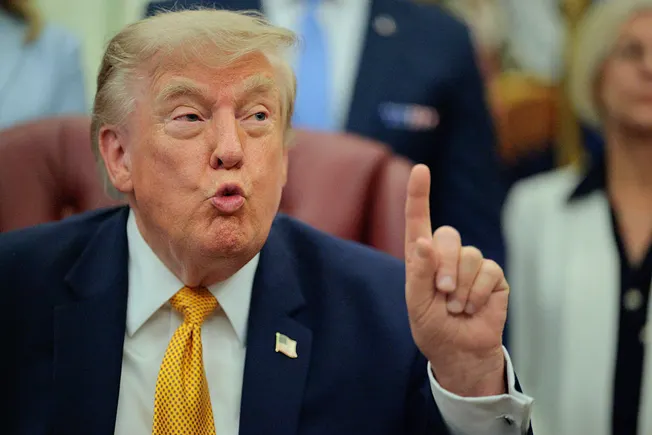
President Trump announced a 15% tariff on polysilicon and its derivatives, including solar cells and certain semiconductor devices, to address national security threats. The tariff takes effect on December 4 and replaces the solar panel safeguard tariff that expired in February. Products from Japan, South Korea, Taiwan, Switzerland, Liechtenstein, and EU member states face a combined tariff rate of 15%, while UK products face 10%. A minimum import price mechanism is also established, and companies can obtain tariff exemptions through localization production plans.
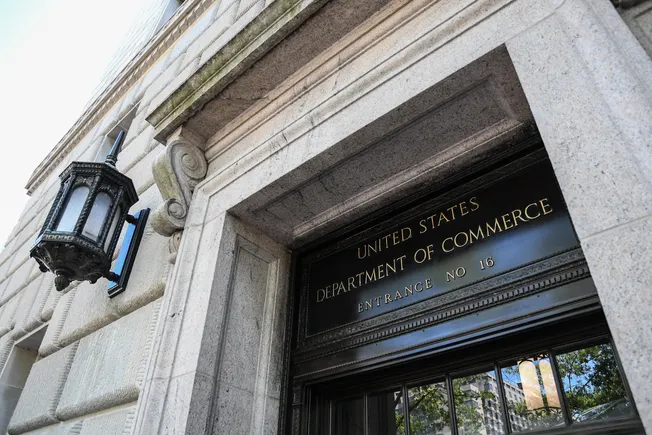
On August 6, the U.S. Commerce Department published a Federal Register notice proposing Section 232 tariffs on 14 derivative products of steel, aluminum, and copper, with most products subject to a 25% tariff, except for items like agricultural equipment. This action stems from a series of executive orders by the Trump administration, with public comments due by August 27.
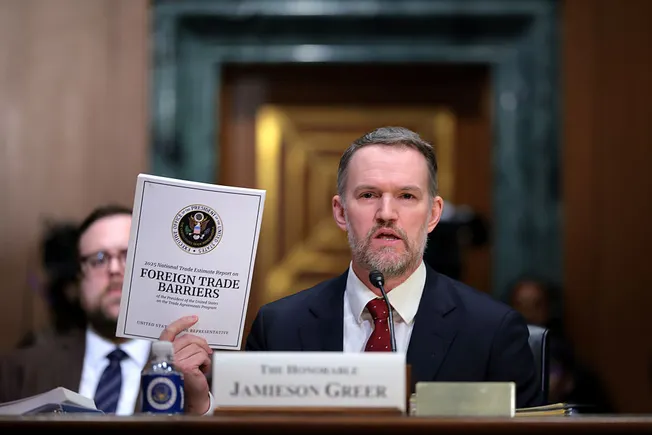
A coalition of 25 US states has filed a lawsuit with the US Court of International Trade, challenging tariffs imposed by the Trump administration under Section 301 of the Trade Act of 1974 on 60 trading partners allegedly failing to prevent entry of goods produced with forced labor. The plaintiffs argue that these tariffs, at rates of 10% or 12.5%, were implemented under the guise of 'combating forced labor in global trade,' should be ruled unlawful, and request refunds of amounts already paid by the states.
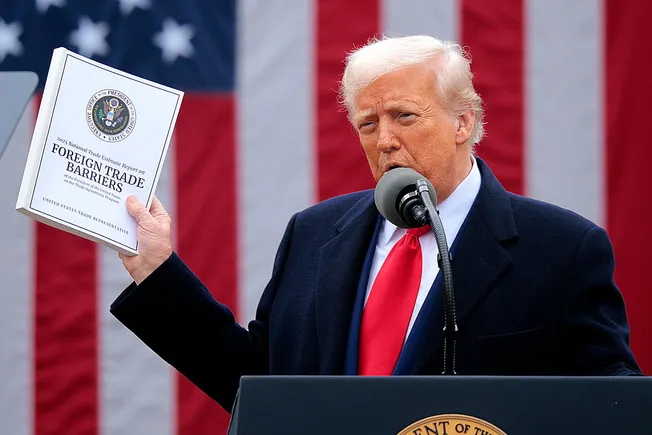
The Trump administration proposed a 100% tariff on overseas generic drugs starting in August 2028, increasing to 200% the following year, to encourage domestic production. However, Johns Hopkins University expert Dai believes that the industry ecosystem, regulatory differences, and cost disadvantages remain unchanged, and the plan may only raise drug prices without truly achieving a return of manufacturing.