


Regulation
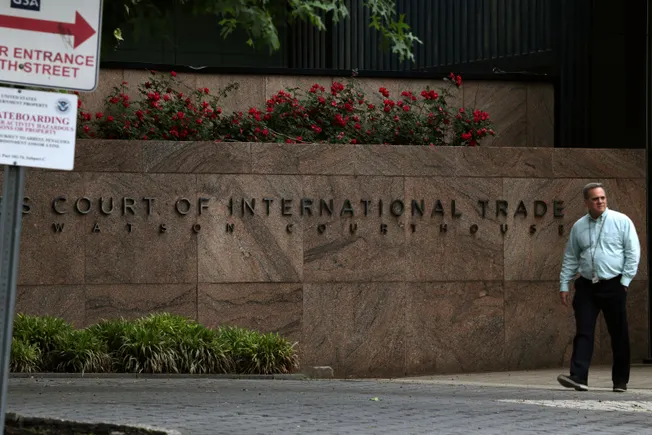
Spice importer Burlap and Barrel and watch retailer Collective Horology have filed lawsuits with the U.S. Court of International Trade, challenging new tariffs imposed by the Trump administration on more than 60 trading partners under Section 301 of the Trade Act of 1974. The plaintiffs argue that the tariffs are designed to circumvent the IEEPA tariff framework previously struck down by the court, and that the investigation process was rushed and lacked targeted country-specific analysis. They are asking the court to revoke the tariffs and order refunds.

The joint review of the USMCA is underway, and shippers need to closely monitor negotiation progress. Experts advise: master current rules of origin, understand shifts in trade policy priorities, and optimize supply chain layouts.
The US will impose new tariffs on imports from 60 trading partners starting Friday, replacing the temporary global tariffs that are about to expire. China, the EU, Mexico, and others will be affected, with rates varying by country and some goods eligible for exemptions.
U.S. President Trump announced on Truth Social that he plans to raise tariffs on generic drugs to 200% over the next few years to drive pharmaceutical production back to the United States. The new tariffs will be implemented in phases starting August 1, first maintaining 0% for two years, then rising to 100% for one year, and finally reaching 200%. This move has drawn attention from trade policy experts and may affect the global pharmaceutical supply chain.
U.S. President Trump issued multiple proclamations on Monday, determining under Section 338 of the Tariff Act of 1930 that Canada's trade practices in key sectors such as alcohol, dairy, and automobiles constitute discrimination, and decided to impose 50% tariffs on various imports from Canada effective August 19. The tariffs apply to all covered goods, regardless of whether they originate under the USMCA, except for energy, potash, goods covered by Section 232, and certain fish and critical minerals. Canadian Prime Minister Carney called the move a "direct violation" of the USMCA but expressed willingness to engage in intensive consultations on modernizing the agreement and resolving trade disputes.
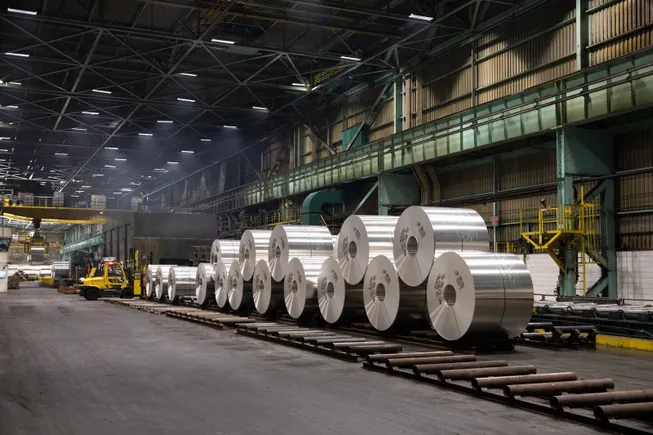
U.S. President Trump signed a proclamation to halve the annual aluminum import tariff for companies that commit to investing in aluminum production in the U.S. The plan is to be implemented by Commerce Secretary Howard Lutnick, with companies required to begin construction by January 20, 2029. This move continues similar incentive policies previously offered to steel and aluminum producers in Canada and Mexico.

Renfro Brands plans to expand its use of Inspectorio's AI supply chain platform to streamline regulatory compliance processes and improve network visibility. The company will add responsible sourcing, compliance, and traceability features, replacing manual processes with AI workflows to strengthen social and environmental compliance management across sourcing locations in North America, Europe, and Asia.
The Office of the United States Trade Representative announced that starting July 22, a 25% tariff will be imposed on most imports from Brazil, along with a published exemption list and an expanded scope of exemptions. This action stems from a Section 301 investigation into Brazil's trade practices.

The Office of the United States Trade Representative (USTR) is holding hearings on proposed tariffs against 60 trading partners. Ford, Nestle, Tesla and other companies and industry organizations have submitted more than 1,500 written comments requesting an expansion of the scope of exempted goods. Retail, food, automotive, electronics and other industries have all made requests based on insufficient domestic production capacity or supply chain dependence, with some companies also suggesting adjustments to tariff rates or the implementation of comprehensive exemptions.
US President Trump signed a proclamation directing the Secretary of Commerce and the US Trade Representative to negotiate with trading partners to adjust import levels of commercial aircraft, jet engines, and parts, rather than immediately imposing tariffs. This action is based on the Section 232 investigation results, but tariffs are not implemented for now, and other measures may be considered after assessing progress within six months.