


Climate & Resilience
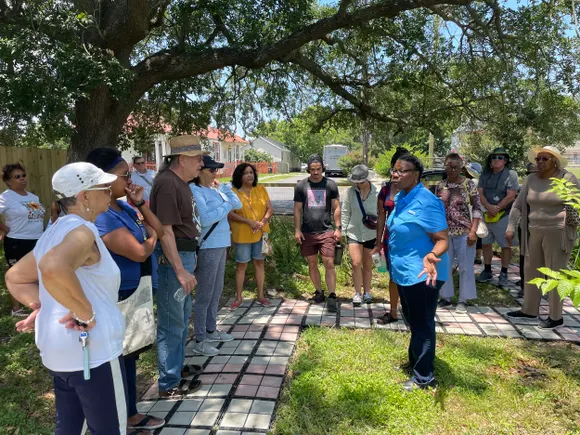
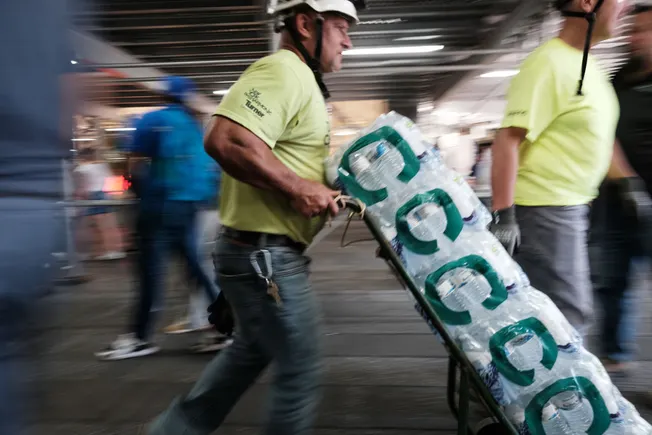
Recent U.S. heat waves have underscored the lethal threat climate extremes pose to workers. With rising frequency of such events, employers are urged to implement robust safety measures, from hydration and rest protocols to involving workers in planning and preparing for wildfires, hurricanes, and poor air quality.
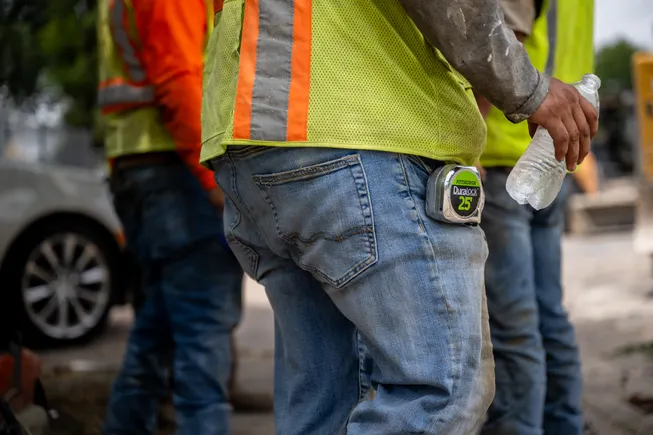
随着美国西部多地气温突破三位数华氏度,建筑行业领导者表示已制定应对极端高温的全面计划,包括调整工作时间、设置降温站、加强热疾病预防培训等,以确保今夏工人安全。

This summer marks the first real-world test of divergent heat safety policies for outdoor workers. Texas and Florida have enacted laws prohibiting local governments from requiring employer-provided water breaks, while Phoenix has adopted a city ordinance mandating heat safety plans for contractors. Meanwhile, OSHA advances toward a federal heat standard.


Baltimore City has secured a $4 million U.S. EPA grant to develop a solar-powered composting facility at its existing Bowley's Lane Drop-Off Center, a move that could help the city advance its organics diversion goals. The facility is expected to divert 12,000 tons of organic waste from landfills annually. City officials and community composters view the grant as a positive first step, though challenges remain in building a comprehensive organics management system.
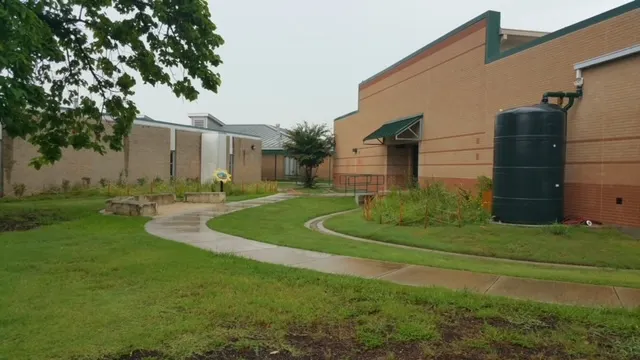
In the wake of the February 2023 Austin ice storm that left over 100,000 residents without power, city officials and resilience experts are championing nature-based solutions—like urban trees, rain gardens, and green stormwater infrastructure—as cost-effective climate adaptations. With federal backing from the Biden administration's 2022 roadmap, these approaches aim to integrate ecosystem functions into urban design, offering benefits from cooling and flood reduction to job creation and equity improvements.
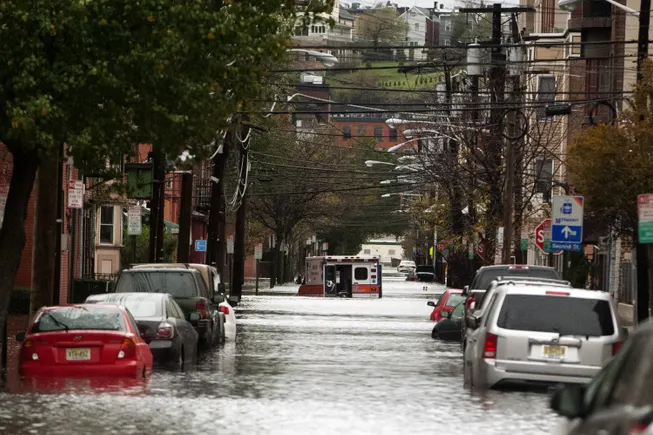
Hoboken, New Jersey, became the first U.S. city to declare a climate emergency in 2017, prompting a climate action plan and renewable energy initiatives. Similar declarations on racism, housing, and affordability have emerged in Evanston, Milwaukee County, New York City, Portland, and Miami-Dade County. Experts and officials debate whether these proclamations catalyze real change or serve as public relations tools, with outcomes depending on follow-through, funding, and political will.
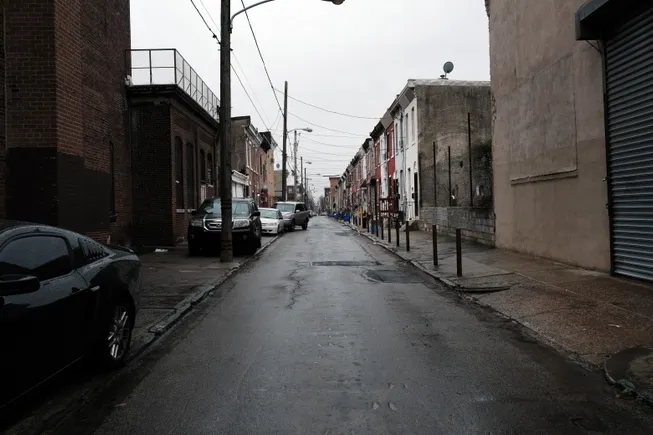
Philadelphia's eviction diversion program, featuring mandatory mediation, has been a lifeline for tenants during the pandemic, reducing evictions from 20,000 annually to 4,500 in 2020. The program's protections, including mediation and rental assistance, are set to expire June 30, with advocates pushing for extension. Landlords and tenants have found value in the process, though challenges remain.