


Latest news

Chobani plans to invest $1.2 billion to acquire and expand a plant in Allentown, Pennsylvania, formerly owned by Keurig Dr Pepper, with a transaction amount of $125 million. The new plant will produce high-protein, low-sugar milk and support the company's new product development. This move is part of Chobani's over $4 billion investment in U.S. manufacturing network, with the company achieving an annual growth rate of 20% over the past three years.
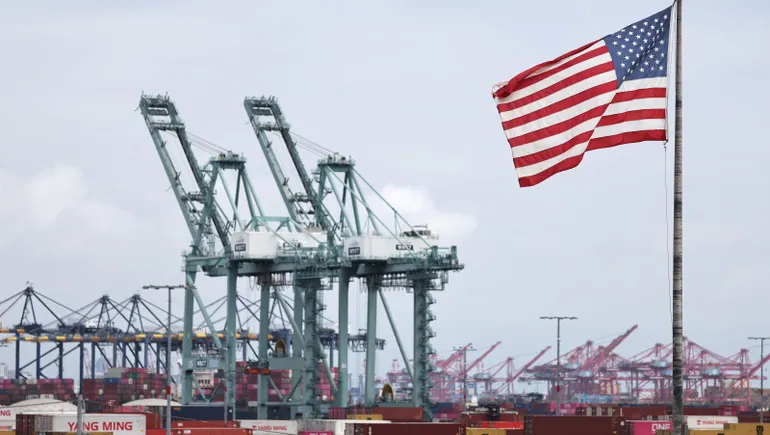
The 2026 Reshoring Survey Report, jointly released by the Reshoring Initiative and Regions Recruiting, shows that 36% of original equipment manufacturers (OEMs) have reshored or are actively reshoring this year, up from 29% last year. Tariffs, geopolitical risks, and proximity to customers are key drivers, but 57% of OEMs cite policy uncertainty as the top challenge. Despite the uncertainty, 63% of OEMs still plan to make capital investments in reshoring or domestic expansion.
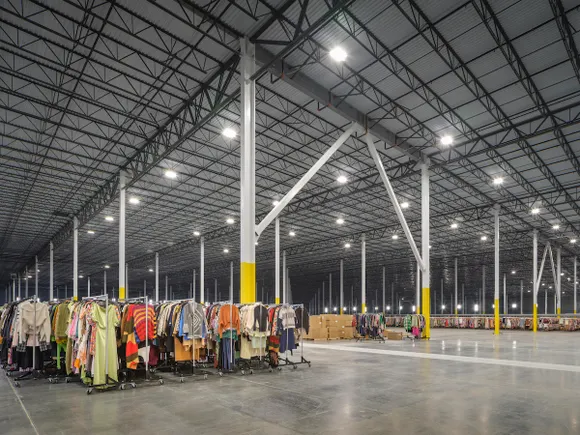
David Hayne, President of Nuuly under Urban Outfitters Inc., stated during the earnings call on August 26 that the company is strengthening automation at its fulfillment centers and expanding the Kansas City area facility to 1 million square feet to support up to 600,000 subscribers. The related automation projects will be launched this month, in Q4, and mid-next year.
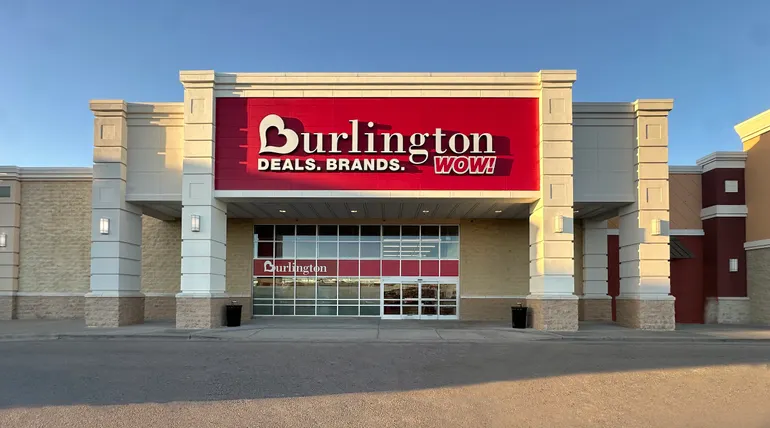
As U.S. Customs returns refunds for the invalidated IEEPA tariffs, discount retailers like Burlington, TJX, and Ross have received billions of dollars in refunds. Company executives detailed the refund amounts, intended uses, and impacts on pricing strategies during earnings calls. Burlington plans to reinvest approximately $55 million in refunds to enhance customer value, TJX will allocate part of the refunds to employee bonuses, while Ross maintains steady pricing and expects a slight increase in AUR in the second half of the year.
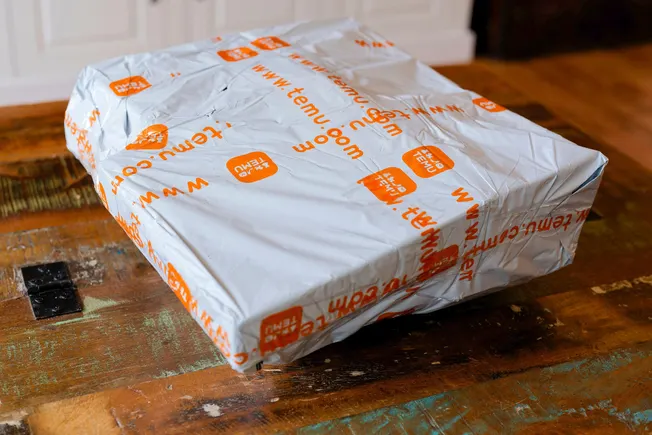
PDD Holdings, parent of Temu, is adapting its supply chain to mitigate the effects of the EU's new €3 customs duty on items worth €150 or less, effective July 1. Co-CEO Lei Chen outlined measures including onboarding local merchants and developing local warehousing. The company faces reduced fulfillment efficiency and higher costs, but aims to offset these by strengthening local operations, a strategy also used after U.S. de minimis changes.
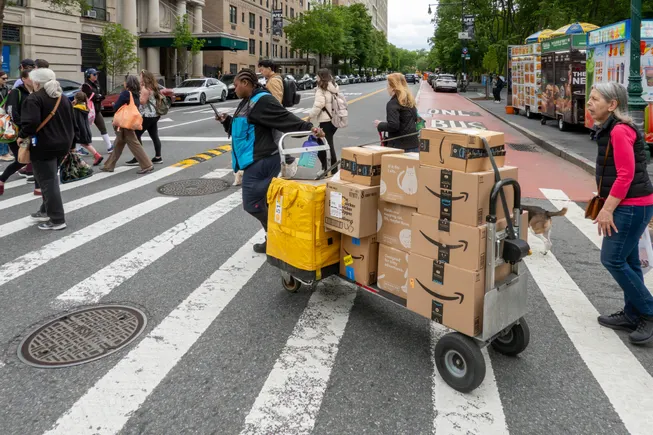
Amazon Logistics announced its 2026 peak season surcharge plan, covering October 25, 2025, to January 16, 2027, with fees increased from last year and, for the second consecutive year, no volume-based surcharges.

Ryder's 2026 e-commerce consumer study shows a shift in packaging priorities: sustainability and premium unboxing experiences are gaining importance, while value-seeking has declined. Boxes remain preferred over mailer bags, but reasons have evolved, with eco-friendliness up six points. Discounts still lead loyalty drivers but have dropped, while packaging sustainability rose. Returnless refunds also emerge as a key loyalty factor.

Sagepoint Logistics announced the closing of a senior secured financing with Power Sustainable Infrastructure Credit Manager L.P. to expand its renewable natural gas (RNG)-fueled logistics platform. The funding supports the acquisition of 60 Class 8 heavy-duty trucks and fueling infrastructure, extending Sagepoint's operations from RNG production into end-use transportation. The initiative aims to provide customers with cost stability, Scope 3 emissions reductions, and scalable capacity.
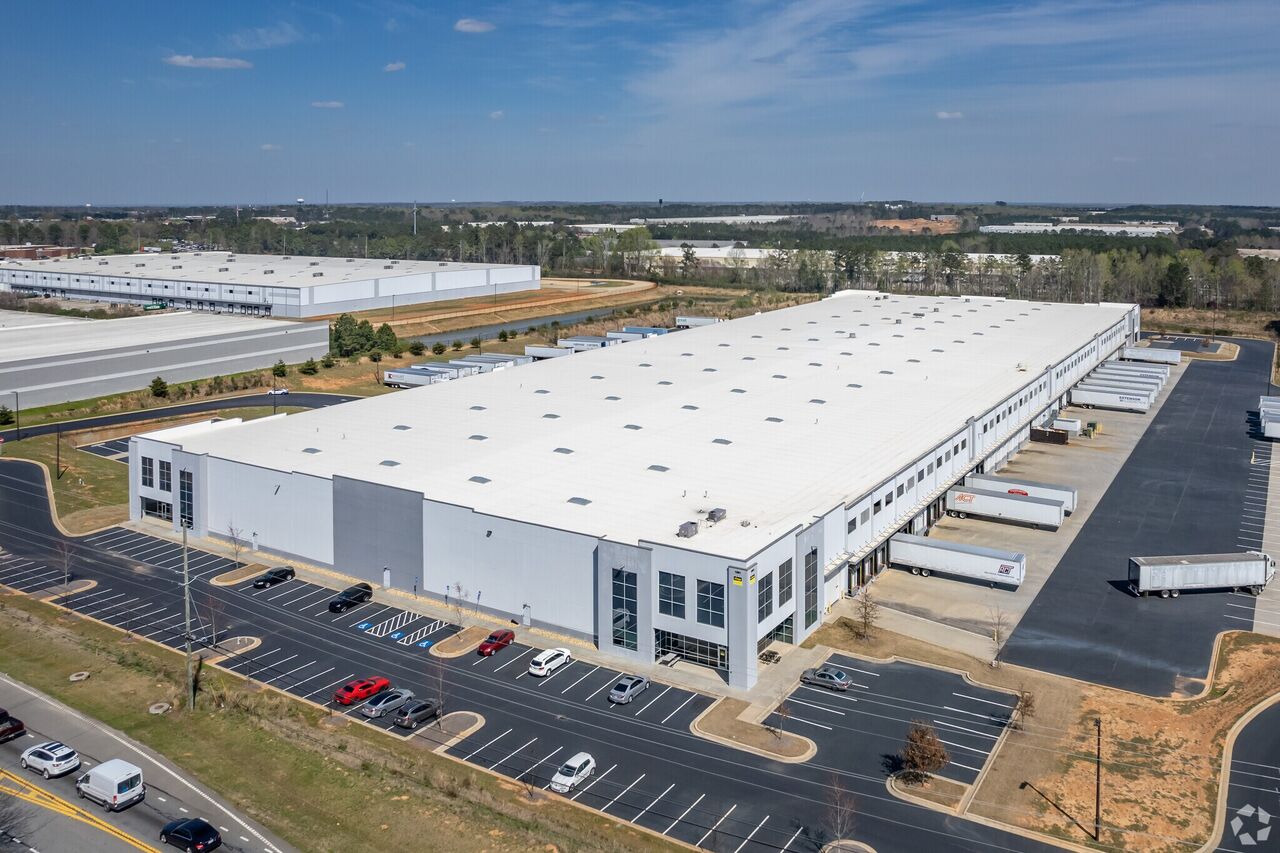
ZonPrep was named to the Inc. 5000 for the second consecutive year, climbing from No. 1,251 in 2025 to No. 225 in 2026, with a three-year growth rate of 1,521%. The company also announced that, effective July 13, 2026, its second warehouse in McDonough, Georgia, will be dedicated exclusively to cross-border transshipment operations, while existing facilities will focus on expanding preprocessing capacity, with the goal of surpassing 1 million units processed daily by November 1, 2026.
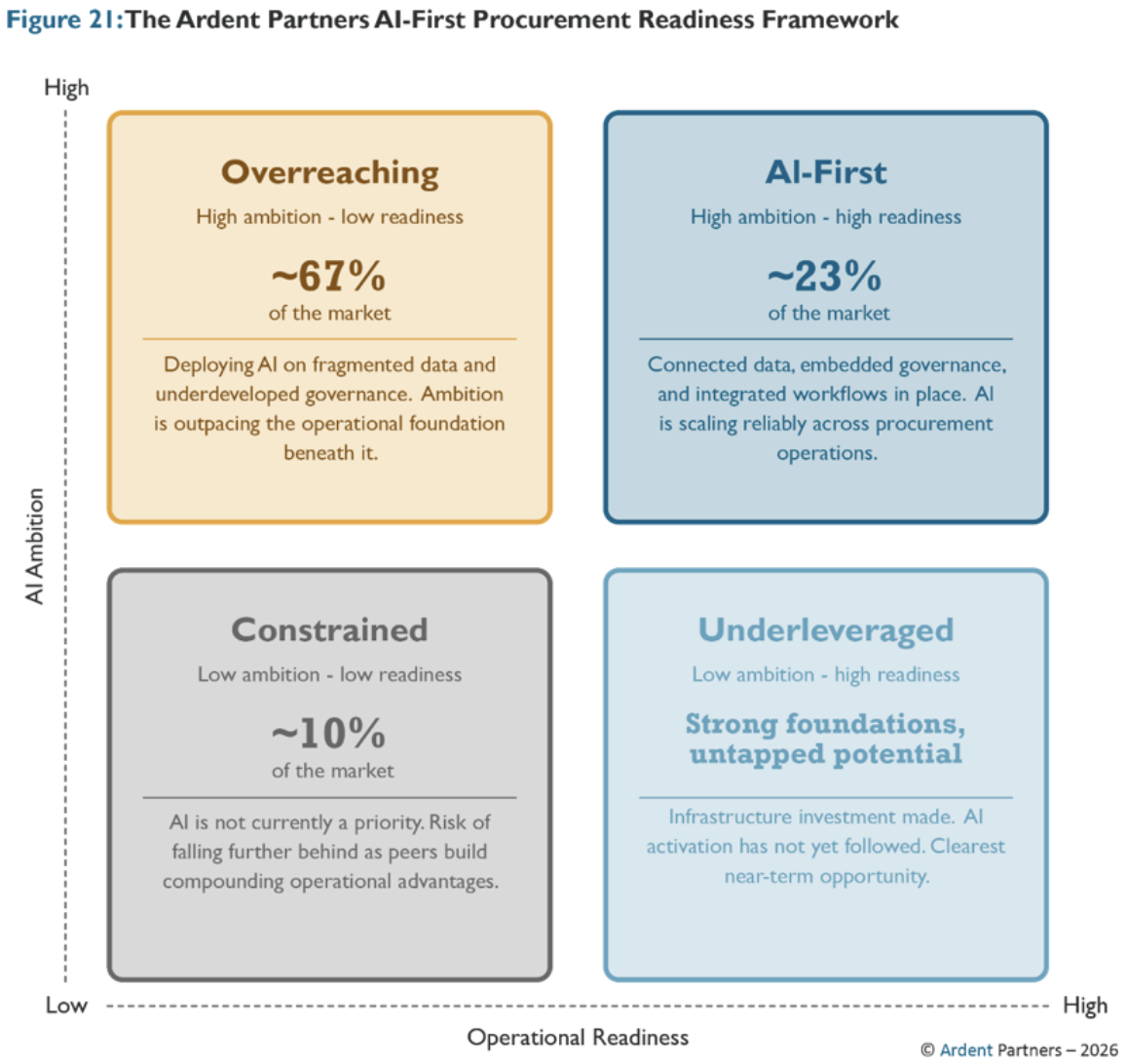
Ardent Partners and Ivalua jointly released the report "The Path to AI-First Procurement," revealing the gap between AI ambitions and execution in the procurement field. The report points out that although 90% of organizations are exploring or piloting AI, 67% fall into the "overextended" quadrant, with only 23% achieving successful scaling. Data quality, system integration, and governance frameworks are the main challenges.