

Latest news

Kimberly-Clark continues to advance its supply chain transformation, completing three key technology deployments in the first half of 2026: a unified global procurement platform, AI manufacturing agents, and an IT digital university. These initiatives are part of its five-year, $3 billion productivity improvement plan and have already shown initial results.

In an interview, Kinta Gates, Vice President of Supply Chain and Operations at Glossier, shares her professional philosophy: achieving "self-improvement" through continuous learning and proactively creating opportunities for others. She emphasizes that, given the current decline in female leadership within the supply chain industry, practitioners should actively "kick open doors" to drive a more diverse and inclusive industry future.
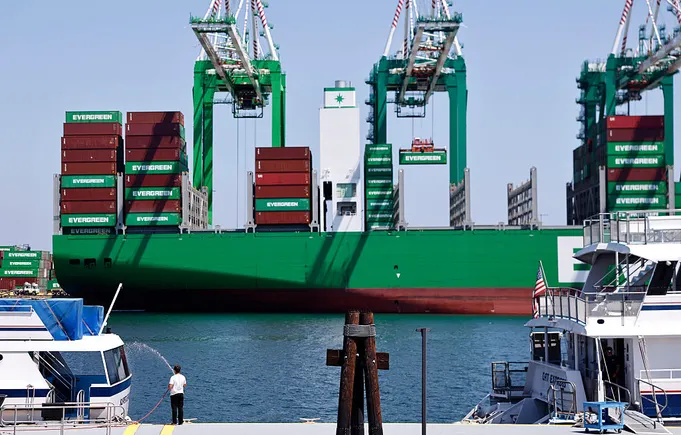
According to Sea-Intelligence's Blank Sailings Tracker report released on July 24, despite carriers continuously injecting new capacity into the market, the number of blank sailings in the first half of 2026 was up to 4.5 times higher than the same period in 2019, with actual available capacity growth significantly lagging behind nominal capacity. On the Asia to U.S. East Coast route, capacity grew by 46% while blank sailings increased by 215%, and on the U.S. West Coast route, the two metrics were 16% and 62%, respectively. Industry experts point out that the gap between physical capacity and available capacity is widening, and shippers need to readjust their supply chain expectations.
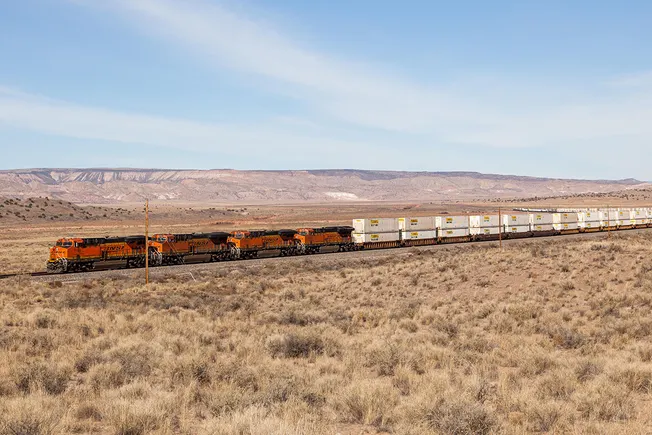
BNSF Railway announced on August 10 that it is launching a faster intermodal service from Phoenix to Dallas-Fort Worth, with transit times exceeding three days, operating six days a week. This move aims to address domestic peak season capacity demand and paves the way for the Logistics Park Phoenix facility, which is set to open in 2027.
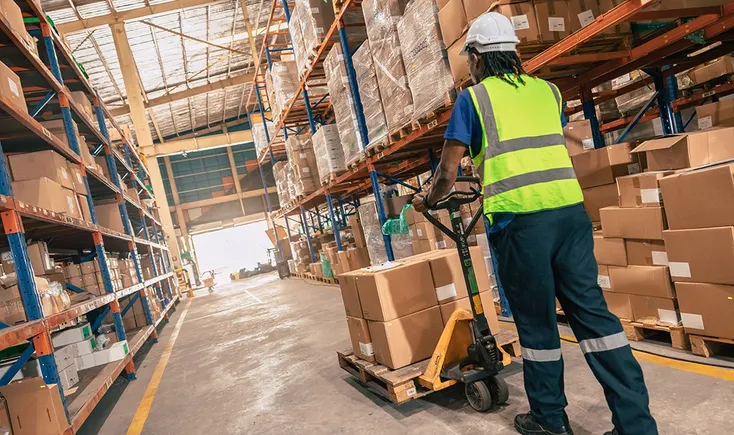
With online orders rising and delivery windows tightening, supply chain employers are turning to contract workers to manage year-end surges. A recent survey shows optimism in hiring, but open roles remain hard to fill. Contract staffing provides flexibility for businesses and a foot in the door for job seekers, making it a strategic advantage for the season.

Ford Motor Co. announced it will stop importing China-built Lincoln models into the U.S., including the Nautilus SUV, as part of a strategy to reduce tariff exposure and comply with the Connected Vehicles Rule. The company plans to increase U.S. production of Lincoln vehicles from 2030, potentially creating thousands of jobs.

A three-judge panel of the U.S. Court of International Trade ruled Thursday that the Trump administration lawfully rescinded the de minimis exemption, rejecting Detroit Axle's argument that the move exceeded presidential authority. The ruling confirms that sub-$800 imports remain subject to standard duties, and the exemption is set to permanently expire by July 2027 under separate legislation.

Target has developed Proxima, a digital twin of its middle-mile inventory positioning system, to simulate inventory decisions before implementation. Early pilots improved fresh food on-shelf availability by 2.5% and supported the launch of its Houston Receive Center with 98% simulation accuracy.
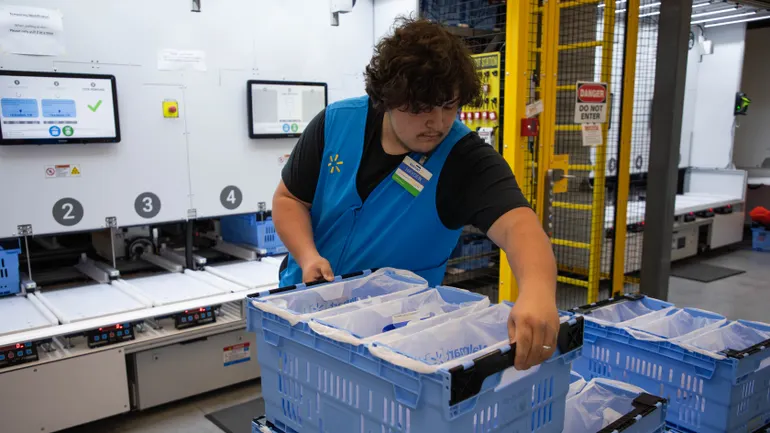
Symbotic recently started installation of its first SymMicro system for e-commerce fulfillment in the back of a Walmart store, advancing a pact announced last year. The system is expected to 'come to life' in about six months, according to CEO Richard Cohen. A second site will follow shortly, with more sites expected once Walmart sees the system working.