
Latest news
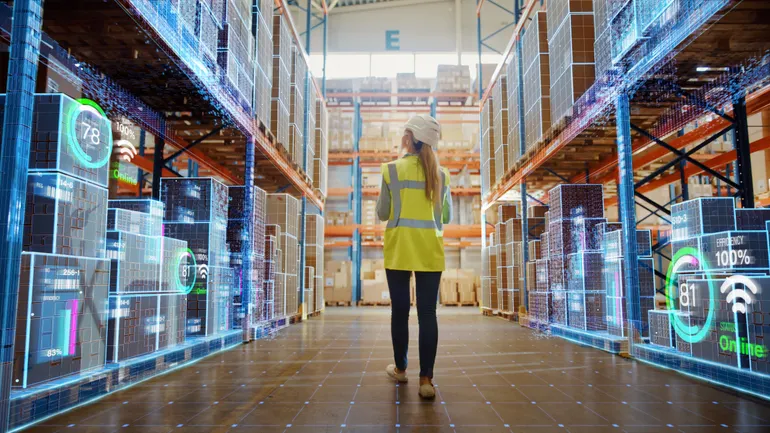
The pandemic and inflation disrupted traditional forecasting models, causing major global companies to accumulate massive inventory backlogs as consumer behavior deviated from expectations. Consulting firm FTI Consulting, software vendor BlueYonder, and several industry experts point out that companies are moving from spreadsheets to AI and machine learning to process vast amounts of internal and external data and reduce human bias. However, data quality and scenario fit remain core challenges, with some companies still believing historical trends are the most reliable basis for forecasting.
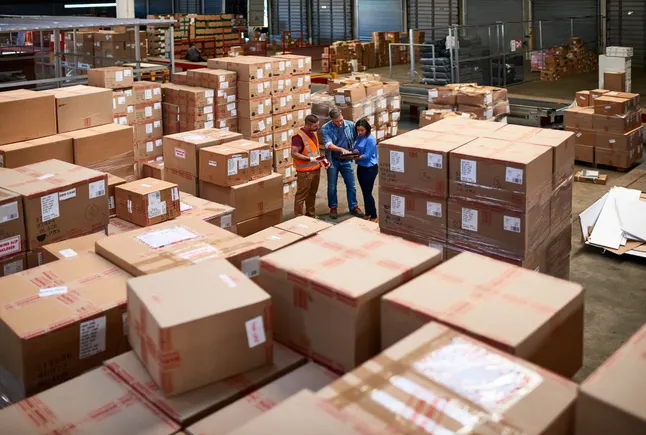
After experiencing supply shortages in 2020-2021, the retail industry fell into an inventory glut in 2022. Although the inventory peak has passed, levels remain elevated. Improved supply chains accelerated the arrival of goods but exacerbated on-book inventory pressure. Retailers are shifting toward leaner inventory strategies, prioritizing cost and margin protection.

Los Angeles apparel suppliers still rely on fax orders, with lagging technology investment in the industry. High manufacturing costs, workers' compensation, and regulatory pressures are forcing brands to move overseas, while automation and AI investments are concentrated on demand forecasting and order digitalization.
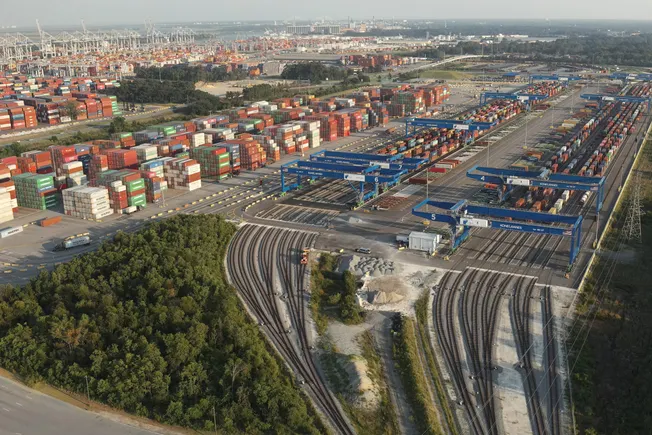
Since the pandemic, shippers have significantly adjusted their logistics networks in pursuit of supply chain reliability, causing cargo to divert from major gateway ports to smaller and mid-sized ports. Four charts illustrate how this trend has reshaped the U.S. port landscape and market share.
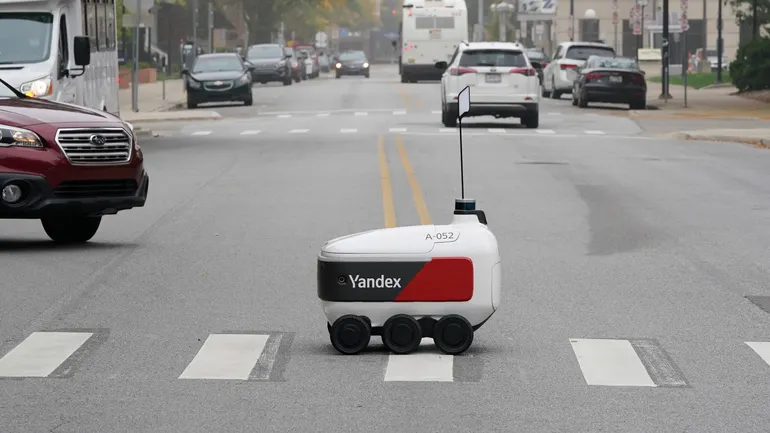
Sidewalk delivery robots face a 'regulatory nightmare' as states enact widely varying laws, hindering national rollout. Companies engage in state-level lobbying, but pilots reveal infrastructure and human challenges.
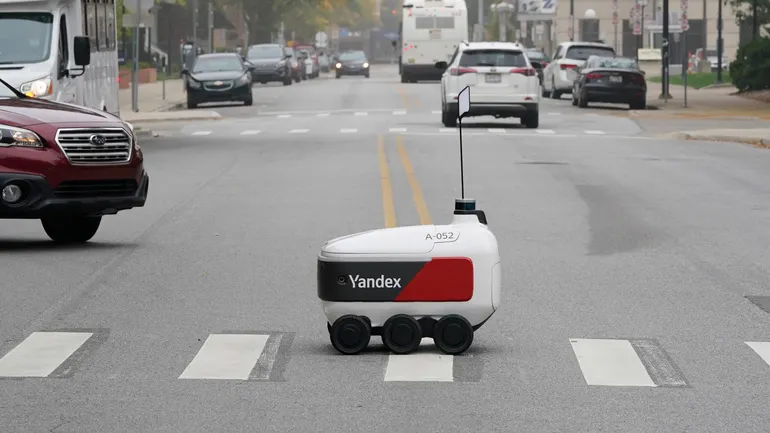
Regulations for sidewalk delivery robots vary greatly across U.S. states, from weight and speed to operating permits, posing challenges for tech companies' national expansion. Industry executives call for unified standards, but legislative progress is slow, and pilot projects have also exposed issues such as infrastructure and user acceptance.
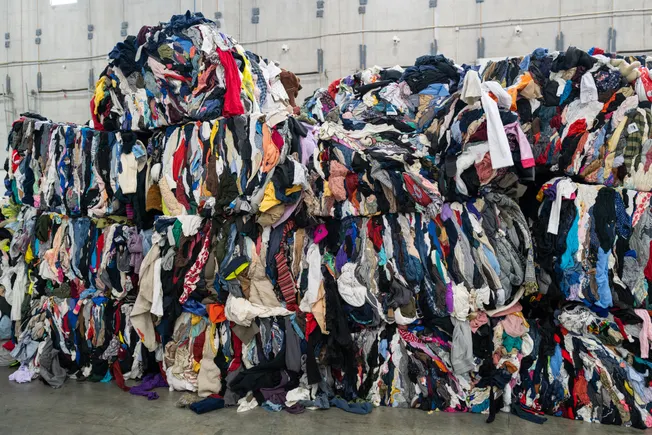
The fashion industry has a huge environmental impact, but innovative materials such as clothing made from recycled plastic bottles and mycelium leather can only solve part of the problem. Multiple scholars point out that the key lies in reducing total production. This article cites several studies, analyzing the causes of overproduction, cases of brands destroying inventory, and regulatory developments in France, Spain, and the European Union.
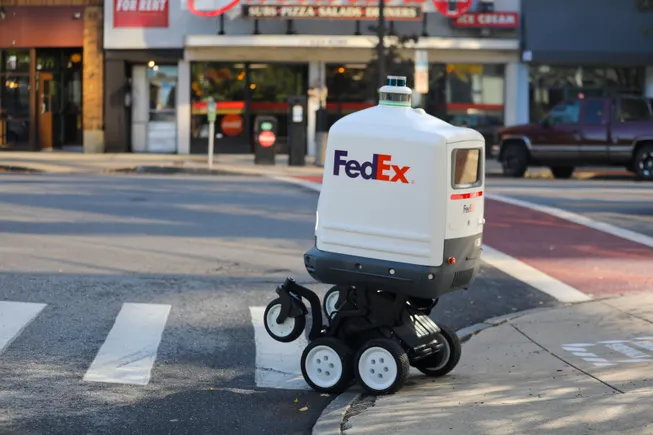
FedEx and Amazon have ended their sidewalk delivery robot experiments, but industry leaders, researchers, and regulators believe a sustainable business model is still possible. They point to rising labor costs, inflation, and the need for density and diversification as key factors that could accelerate adoption, despite challenges in funding, range, and public acceptance.
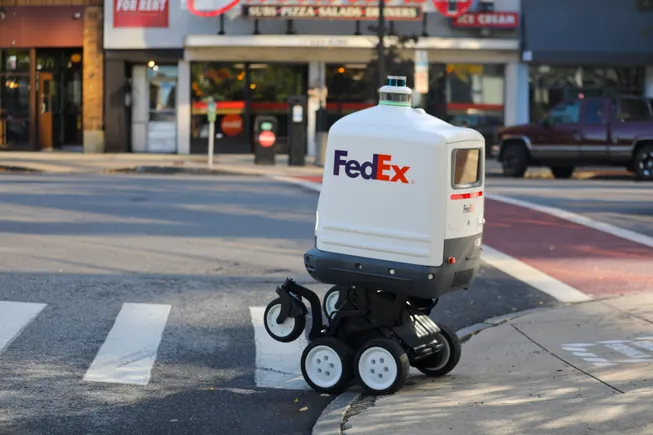
FedEx and Amazon have successively terminated their sidewalk delivery robot projects, raising questions about the feasibility of large-scale deployment. However, industry respondents believe that labor shortages and inflation could act as catalysts for the industry, though challenges such as funding and scenario diversification remain to be addressed.