


Latest news
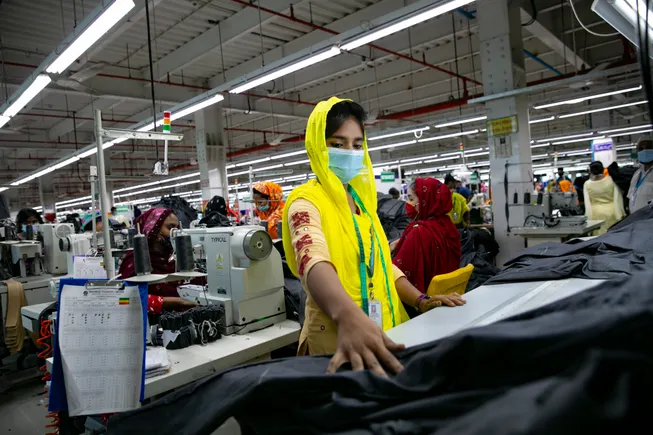
Three years ago, COVID-19 led to large-scale closures of retail stores in the United States and manufacturing factories worldwide. Major brands canceled billions of dollars in orders, shifting financial and operational risks onto suppliers, ultimately causing workers to suffer unemployment, wage cuts, debt, and hunger. Research shows that although some brands paid for canceled orders under public pressure, by the end of 2022, wage claims for workers at most factories remained unresolved. Experts point out that the pandemic merely exacerbated the power imbalances and systemic exploitation that had long existed in the supply chain.
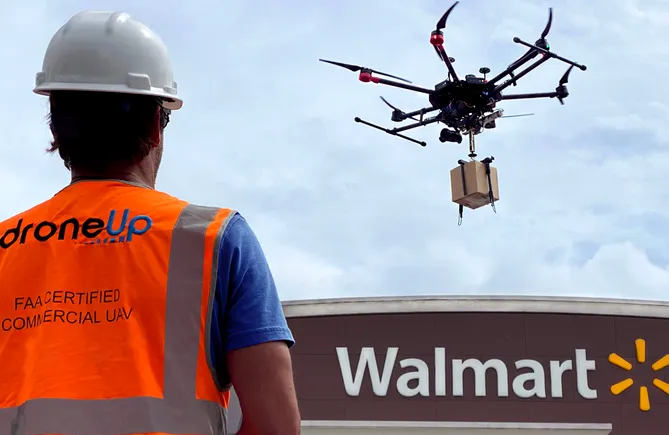
Zipline and Alphabet's Wing recently announced major capability upgrades aimed at scaling drone delivery to millions of annual flights. However, achieving these ambitious goals requires overcoming operational cost challenges, regulatory restrictions, and consumer skepticism, as highlighted by industry experts and company executives.
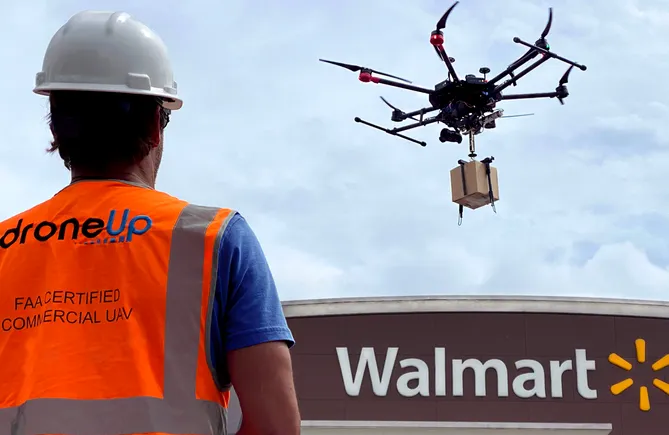
Zipline and Alphabet's Wing, two giants in the drone delivery field, released major service upgrades earlier this month aimed at expanding delivery scale. However, experts say that to achieve these ambitious goals, companies not only need substantial investment but also must optimize operational efficiency, overcome regulatory restrictions, and win public trust.
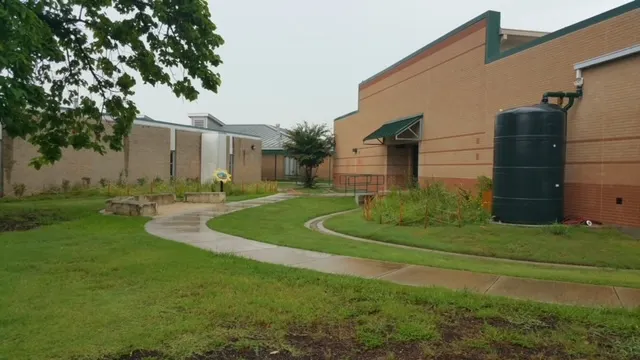
In the wake of the February 2023 Austin ice storm that left over 100,000 residents without power, city officials and resilience experts are championing nature-based solutions—like urban trees, rain gardens, and green stormwater infrastructure—as cost-effective climate adaptations. With federal backing from the Biden administration's 2022 roadmap, these approaches aim to integrate ecosystem functions into urban design, offering benefits from cooling and flood reduction to job creation and equity improvements.
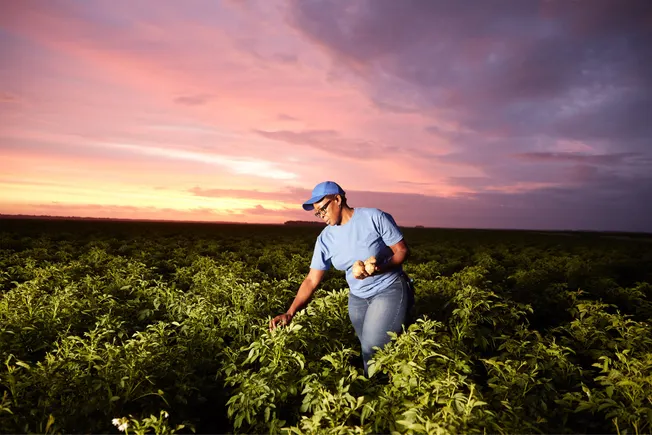
Facing pressure from sustainability advocates and consumers, food and beverage companies are formulating supply chain emission reduction plans for the next decade. However, experts remain skeptical about related progress, believing the industry faces significant challenges in meeting its goals within the set timeframe.
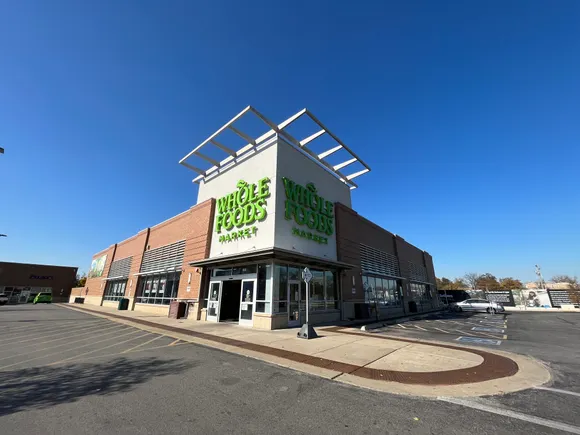
Whole Foods Market's departure from Chicago's Englewood neighborhood in late 2022, after six years of operation, has become a focal point for discussions on food access, corporate responsibility, and community engagement. The store, once hailed as a game-changer for the economically challenged South Side community, closed amid criticism from local officials and residents. This article explores the factors behind the closure, the community's response, and the broader implications for grocery chains operating in low-income areas.
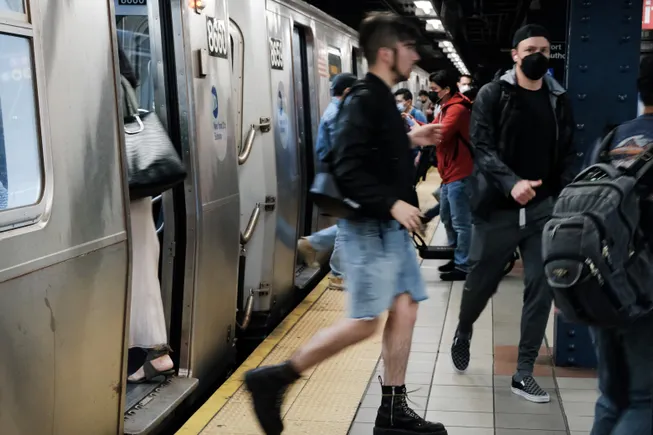
As public transit ridership remains below pre-pandemic levels, agencies across the U.S. are grappling with budget shortfalls. S&P Global Ratings has downgraded the sector's outlook, and some agencies are considering fare increases or service reductions. Meanwhile, others are exploring zero-fare programs and alternative strategies to balance finances and serve communities.
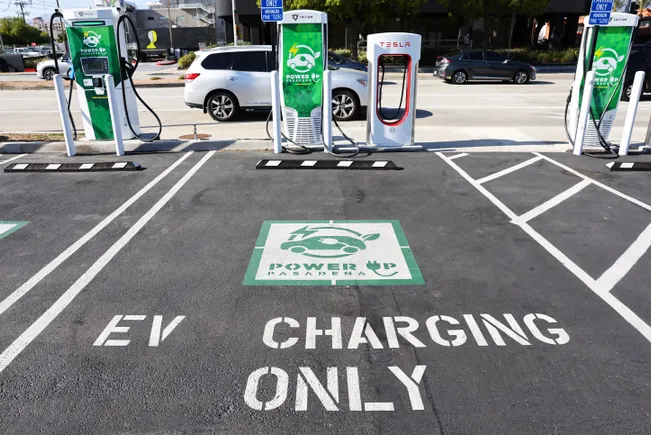
美国电动汽车销量占比在2022年第三季度已超6%,专家预测2023年将迎来关键转折点,但充电网络、税收抵免细则及电网升级仍是主要挑战。

In 2023, the FMCG industry continues to face multiple challenges including supply chain issues, inflation, and geopolitical factors. Companies like Vita Coco and Del Monte Foods are responding through price increases, automation investments, and product innovation, while industry experts predict further cost cuts and potential layoffs may occur.

Houston's homeless response system, The Way Home, relies on rigorous data analysis to invest limited public funds where they yield the highest returns. With over $60 million in federal, state, and county funding last year, the city has reduced homelessness by 63% since 2011. This article explores how data collection, from Homeless Management Information Systems to point-in-time counts, informs strategic decisions, evaluates program impact, and drives the housing-first model—while acknowledging the challenges of data privacy, quality, and integration.