


Latest news

Five years after the smart cities movement's early hype, U.S. city leaders are redefining success: less about autonomous vehicles and more about digital equity, trust, and 'unsexy' infrastructure. This multipart series examines the shift from vendor-led 'tech arms races' to resident-first, pandemic-informed approaches.


Smart Cities Dive对15个美国主要城市的领导者进行了调查,以了解他们对“智慧城市”的当前定义及其演变。受访者强调,智慧城市不仅是技术部署,更关乎居民生活质量、公平性和数字权利。
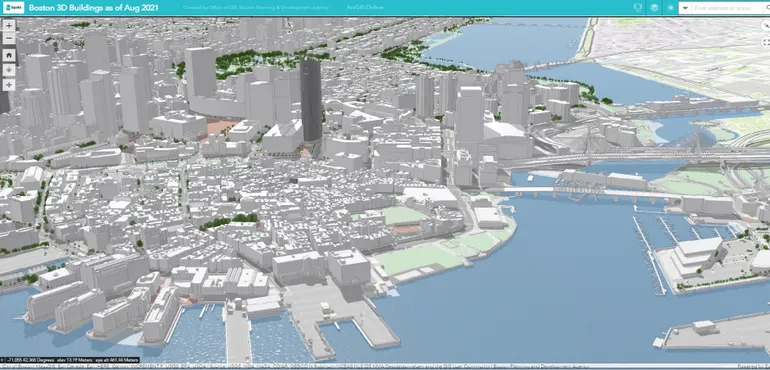
数字孪生作为物理世界的3D虚拟副本,正逐步进入城市规划视野。波士顿自2015年起构建并公开其城市模型;查塔努加借助该技术优化信号灯配时,使交通流提升最高30%;纽约、拉斯维加斯等地则将其用于建筑脱碳。然而,数据维护、隐私与投入成本仍是主要障碍。
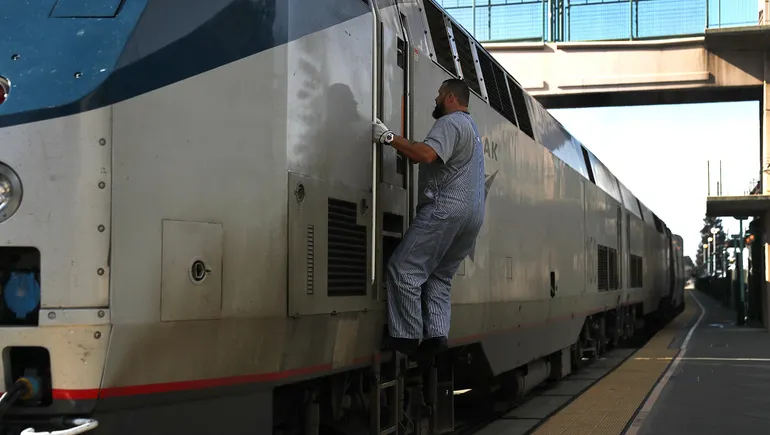
Amtrak's CEO William Flynn has proposed a major expansion of the national passenger rail network by 2035, contingent on passage of the $1 trillion bipartisan infrastructure bill. The plan would add 30 or more new routes, increase service on at least 20 existing lines, and bring new service to up to 160 communities. However, the proposal faces hurdles including freight railroad cooperation, funding uncertainties, and questions about demand.
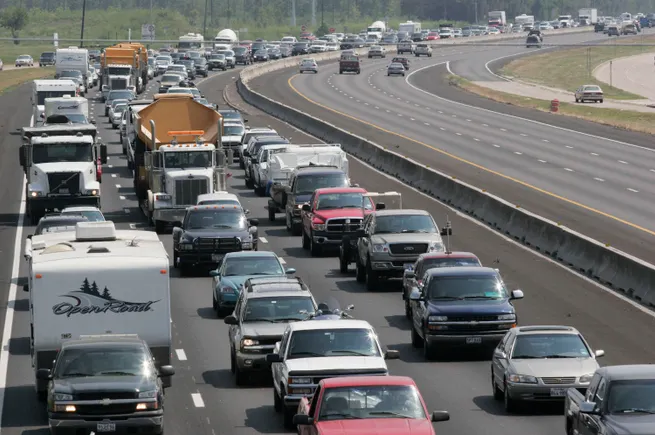
疫情促使部分城市居民转向私家车,纽约市新车注册量在2020年8月同比增长18%,而地铁客流仍不足疫情前50%。城市交通官员与研究者警告,若缺乏政策干预,拥堵可能加剧。各地正通过永久化开放街道、自行车道扩建、公交优惠及联邦基建资金,尝试引导出行方式回归可持续轨道。

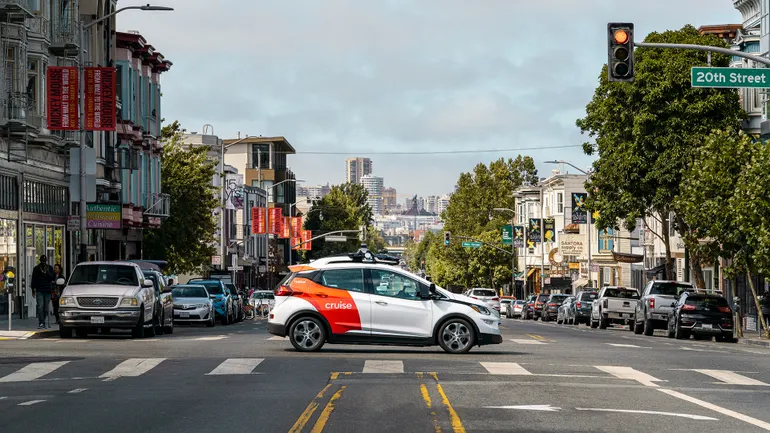
加州公用事业委员会(CPUC)已授权通用汽车旗下Cruise开展该州首个面向公众的无人驾驶载客试点,初期免费。业内专家认为,该项目将检验公众接受度,并可能催生新的数据共享与安全标准,为自动驾驶商业化铺路。
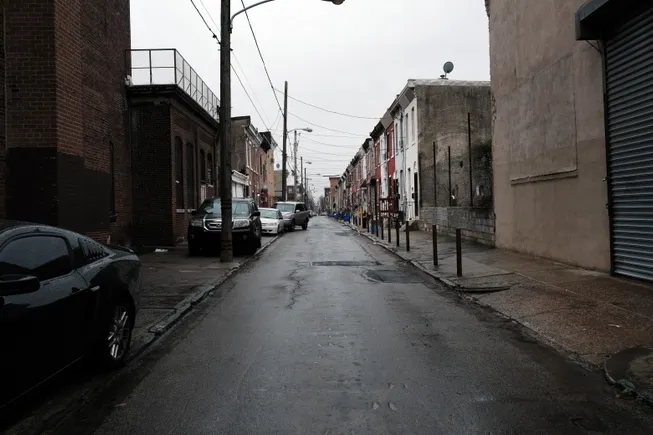
Philadelphia's eviction diversion program, featuring mandatory mediation, has been a lifeline for tenants during the pandemic, reducing evictions from 20,000 annually to 4,500 in 2020. The program's protections, including mediation and rental assistance, are set to expire June 30, with advocates pushing for extension. Landlords and tenants have found value in the process, though challenges remain.
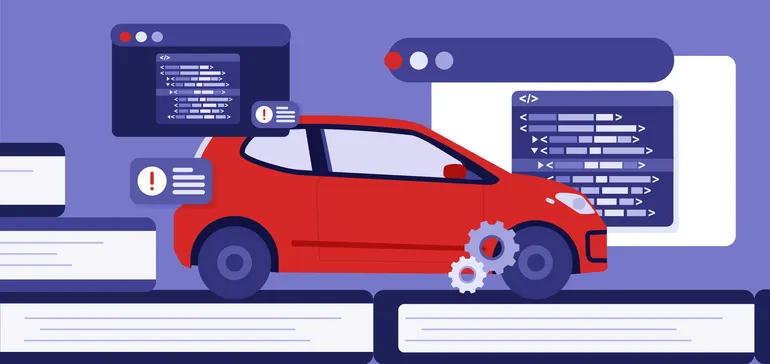
The autonomous vehicle (AV) industry faces a critical shortage of qualified engineers and technicians. In response, universities and community colleges are launching specialized programs in AV engineering, software development, and cybersecurity, often in collaboration with automakers and industry organizations. These initiatives aim to prepare graduates for a rapidly evolving field projected to reach $556.67 billion by 2026.