


Latest news
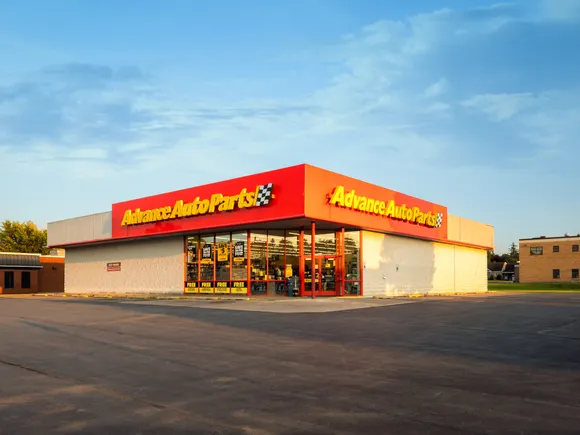
Advance Auto Parts announced during its August 20 earnings call that it will re-bid all carrier contracts to optimize transportation efficiency. The company expects to work with 70% fewer carriers and anticipates generating tens of millions of dollars in cost savings by 2027. This move is part of its broader supply chain efficiency improvement plan, including distribution center consolidation and market hub network development.
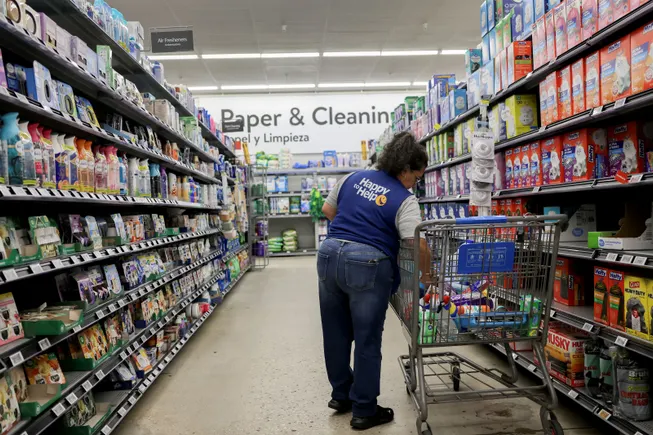
Several major U.S. retailers have begun receiving refunds from IEEPA tariffs invalidated by the Supreme Court. Companies including Walmart, Target, Home Depot, and Lowe's have received significantly different refund amounts, and the uses of these funds vary—from price-cut investments and cost reductions to offsetting operational cost pressures. Chief financial officers at each company disclosed refund progress and future plans in their latest earnings calls.
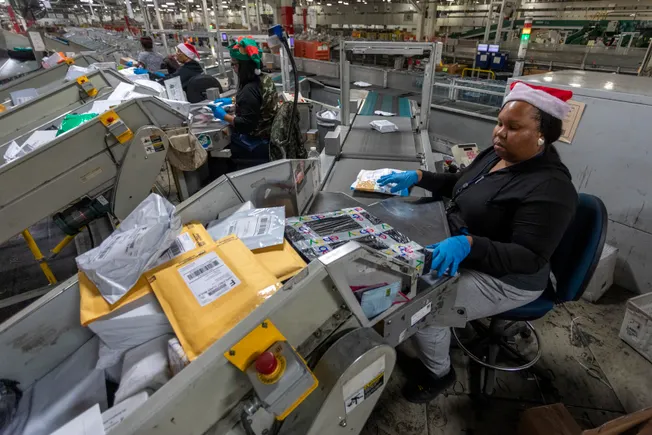
The United States Postal Service (USPS) filed documents on Tuesday announcing an average 6% temporary rate increase for several parcel services during the 2026 peak season. The adjustment covers Ground Advantage, Priority Mail, Priority Mail Express, and Parcel Select across retail and commercial channels, expected to take effect on October 4 and last until January 17 of the following year, pending approval by the Postal Regulatory Commission.
BJ's Wholesale Club plans to reduce SKU count by approximately 20% over the next two years, from an average of about 7,500 to 6,000-6,500. President and CEO Robert Eddy revealed during the August 21 earnings call that some categories have already completed reductions in the second quarter with initial results visible, with the next round of adjustments scheduled for September and around year-end. The company also stated it will balance sales and profits by reducing duplicate items, optimizing categories such as beverages, and introducing new products and white space categories.
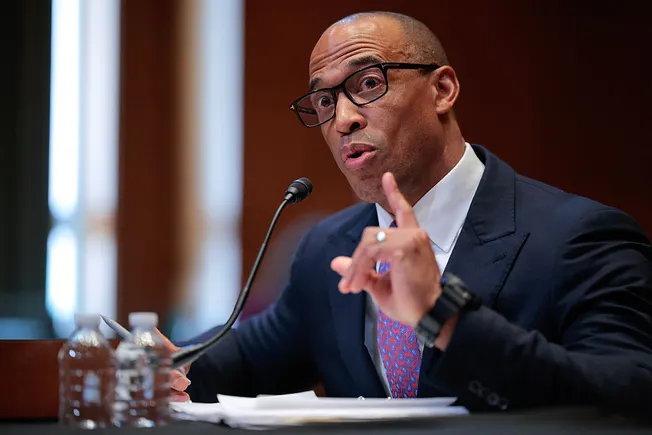
The U.S. Department of Housing and Urban Development (HUD) and partner agencies have introduced a 'Treatment First' toolkit aimed at guiding local leaders in addressing homelessness and addiction. The toolkit marks a departure from the traditional housing-first approach, prioritizing treatment and self-sufficiency. It has been met with criticism from disability rights advocates who view it as conditioning shelter on compliance. The toolkit outlines a five-phase recovery model and highlights successful outreach programs, such as LA County's Homeless Outreach Services Team.
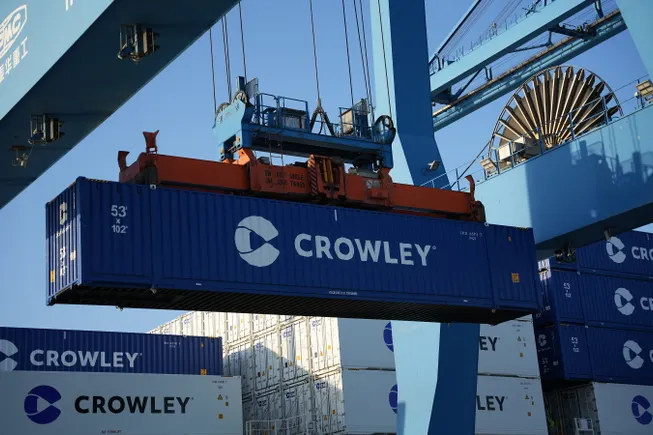
Crowley has announced a new direct weekly shipping service linking Central America (Guatemala and Honduras) with Port Houston in Texas. The service aims to meet rising demand for fresh produce and other goods, with the first vessel scheduled to arrive in Houston on Sept. 10.
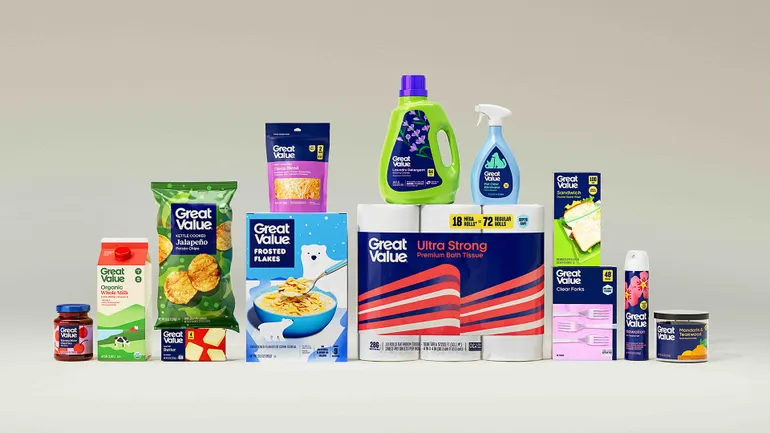
In its FY2026 ESG report, Walmart confirmed that it did not meet some of its 2025 private brand packaging sustainability goals. Data shows that the proportion of recyclable/reusable/industrially compostable packaging decreased from 68.2% in FY2024 to 66.1% in FY2025 and 64.3% in FY2026; virgin plastic usage remains higher than the FY2021 baseline, but the increase has narrowed; the proportion of PCR content has continued to rise. The company stated that it will continue to advance packaging optimization and listed three guiding principles.

Archer Aviation与AEG于周一宣布,将在洛杉矶市中心L.A. Live体育娱乐综合体开发垂直起降场,作为其洛杉矶空中出租车网络的一部分,为2028年奥运会做准备。
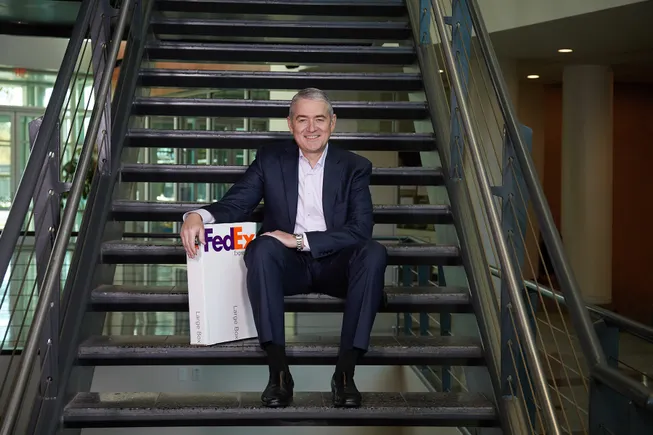
FedEx continues to intensify its focus on healthcare logistics, with senior executive Nick Gennari leading the newly formed FedEx Life Sciences division to counter competition from rivals like UPS. Gennari emphasizes that a healthcare-focused team structure, cold chain capabilities, and FedEx Surround technology are key differentiators. The company plans to expand cold chain facilities into secondary markets and targets the pharmaceutical sector as the next growth priority, which accounts for nearly half of the $80 billion addressable market.

Canada confirmed retaliatory tariffs of up to 50% on US goods, effective Sept. 8, targeting steel, dairy, appliances, and more. The finance department later removed seafood from the list, citing industry feedback, while a $7.5 billion support package was announced.