


Latest news
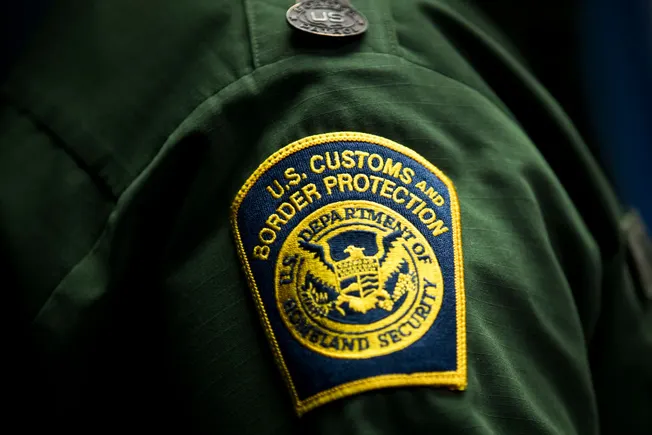
U.S. Customs and Border Protection (CBP) has paid $100 billion in tariff refunds under the International Emergency Economic Powers Act (IEEPA), accounting for nearly 80% of accepted refund applications as of July 31.
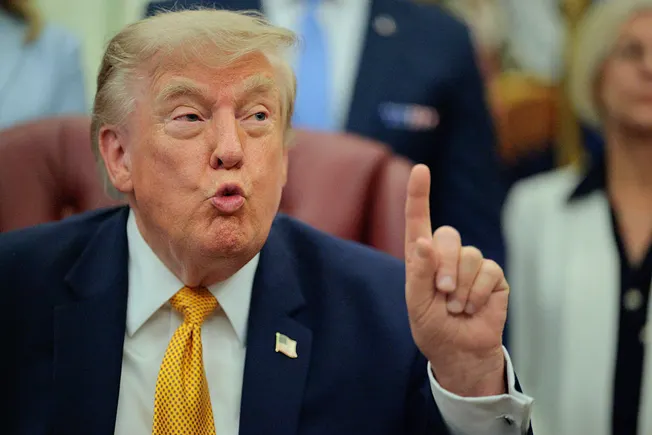
President Trump announced a 15% tariff on polysilicon and its derivatives, including solar cells and certain semiconductor devices, to address national security threats. The tariff takes effect on December 4 and replaces the solar panel safeguard tariff that expired in February. Products from Japan, South Korea, Taiwan, Switzerland, Liechtenstein, and EU member states face a combined tariff rate of 15%, while UK products face 10%. A minimum import price mechanism is also established, and companies can obtain tariff exemptions through localization production plans.
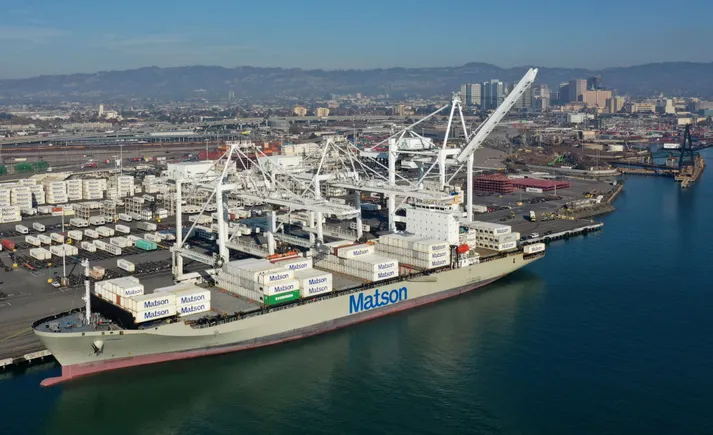
Matson disclosed during its earnings call that in the second quarter, customers replenished inventory early and front-loaded seasonal goods, boosting export demand from China and Southeast Asia, with demand for its China express services CLX and MAX continuing to exceed capacity. Trans-Pacific container volumes grew 15.2% year-on-year, with the Port of Long Beach, Port of Los Angeles, and Port of New York and New Jersey all reporting strong volumes, widely attributed by the industry to front-loading shipments amid tariff and geopolitical uncertainties.
During its July 29 earnings call, Starbucks disclosed that it is testing a 24-hour operating model and expanding daily deliveries, with the goal of building a pull-based supply chain that completes inventory replenishment within 24 hours to ensure 'never out of stock.' CEO Brian Niccol noted that this move will reduce back-of-house space and achieve 'right inventory, right place, right time.' Previously, Starbucks abandoned a computer vision inventory counting system due to employee feedback calling it 'unreliable,' and has already cut 30% of its SKUs to simplify the menu.
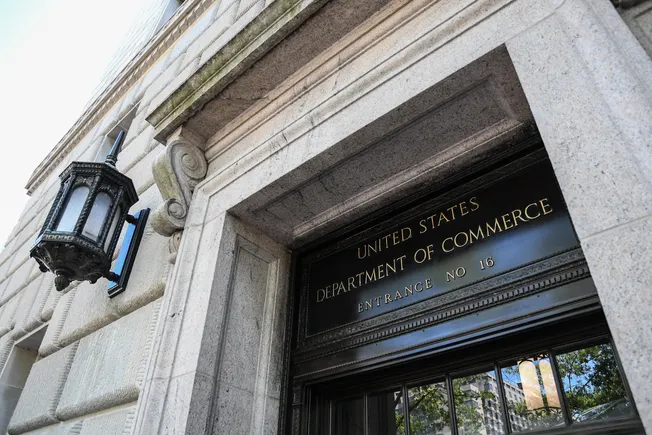
On August 6, the U.S. Commerce Department published a Federal Register notice proposing Section 232 tariffs on 14 derivative products of steel, aluminum, and copper, with most products subject to a 25% tariff, except for items like agricultural equipment. This action stems from a series of executive orders by the Trump administration, with public comments due by August 27.
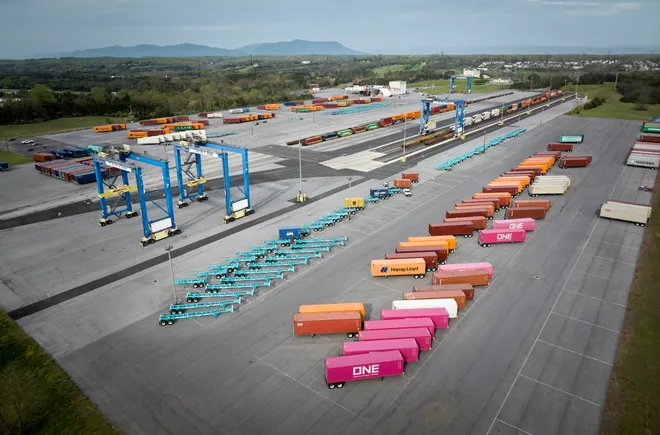
The Port of Virginia has added direct service to Indianapolis via CSX rail, with a five-day transit time. The service aims to offer Midwest importers an alternative route that bypasses Chicago congestion and strengthens the port's market reach into traditional manufacturing and population centers.
Apple executives warned during the July 31 earnings call that supply constraints for advanced semiconductors, particularly memory, will intensify each quarter. CEO Tim Cook said memory costs have been rising since the December quarter last year and will continue to climb after the September quarter, potentially having a greater impact on the business. The company has already raised prices on some products due to higher costs and has reached a multi-generational custom chip deal with Broadcom worth over $30 billion.
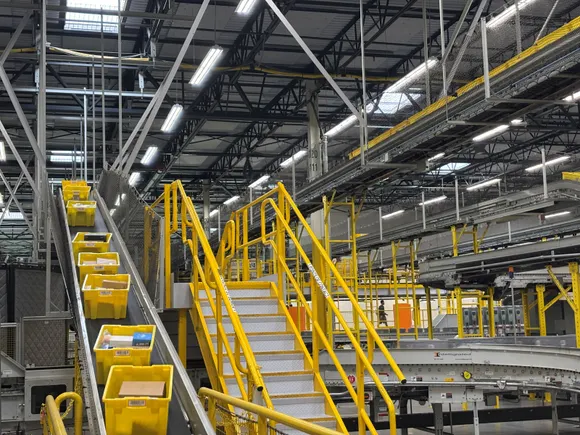
Amazon's BFI4 fulfillment center, located in Kent, Washington, has been operational since 2016 and is the first facility in Amazon's network with a daily processing capacity exceeding one million items. The center combines about 3,500 employees with automated robotic technology to achieve efficient storage, picking, and packing of goods. A reporter's on-site visit reveals how its semi-automated workstations, Hercules robots, and intelligent packaging systems work together.
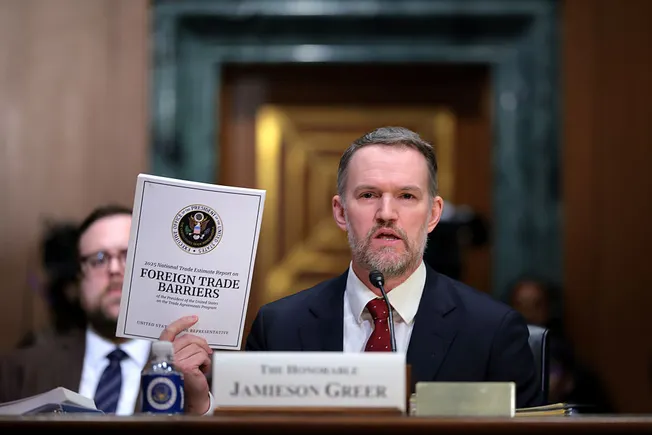
A coalition of 25 US states has filed a lawsuit with the US Court of International Trade, challenging tariffs imposed by the Trump administration under Section 301 of the Trade Act of 1974 on 60 trading partners allegedly failing to prevent entry of goods produced with forced labor. The plaintiffs argue that these tariffs, at rates of 10% or 12.5%, were implemented under the guise of 'combating forced labor in global trade,' should be ruled unlawful, and request refunds of amounts already paid by the states.
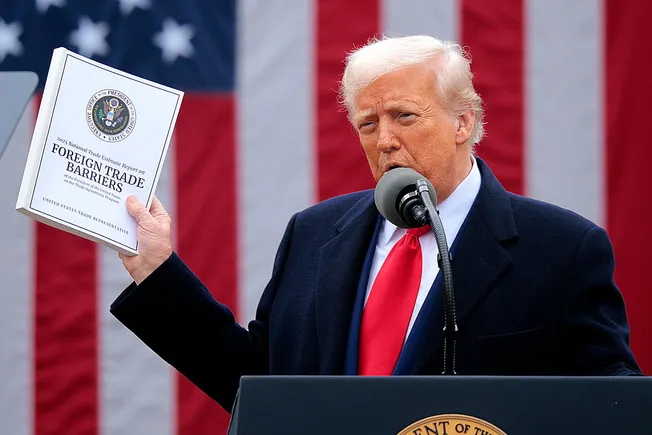
The Trump administration proposed a 100% tariff on overseas generic drugs starting in August 2028, increasing to 200% the following year, to encourage domestic production. However, Johns Hopkins University expert Dai believes that the industry ecosystem, regulatory differences, and cost disadvantages remain unchanged, and the plan may only raise drug prices without truly achieving a return of manufacturing.