


Latest news
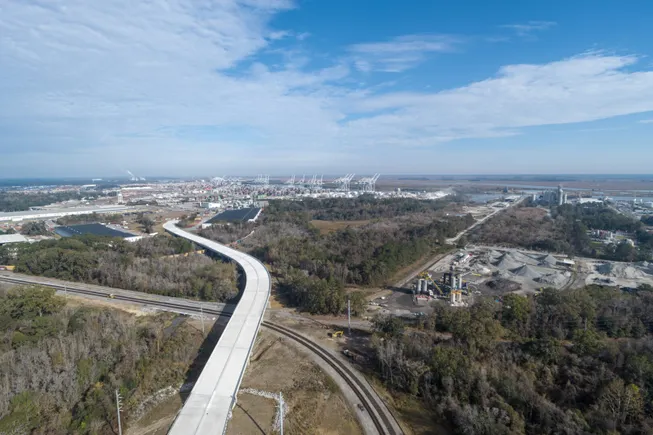
The Georgia Department of Transportation announced that the $126 million Brampton Road Connector will open on Wednesday, July 16. This four-lane highway directly connects the Garden City Terminal of the Port of Savannah with Interstate 16, aiming to eliminate at-grade crossings and truck traffic through communities, reduce truck port entry times, and optimize inland transportation routes. This project is the final link in the Georgia DOT's approximately $600 million investment over nearly 12 years to build the Savannah freight loop highway, which has previously included projects such as the I-16/I-95 interchange improvements and the Jimmy Deloach Parkway. The port authority is also advancing other infrastructure, such as the Gainesville inland port opened in May, with an investment of $134 million and an annual handling capacity of 200,000 TEUs, as part of its ten-year, $5 billion investment plan.

The Office of the United States Trade Representative (USTR) is holding hearings on proposed tariffs against 60 trading partners. Ford, Nestle, Tesla and other companies and industry organizations have submitted more than 1,500 written comments requesting an expansion of the scope of exempted goods. Retail, food, automotive, electronics and other industries have all made requests based on insufficient domestic production capacity or supply chain dependence, with some companies also suggesting adjustments to tariff rates or the implementation of comprehensive exemptions.
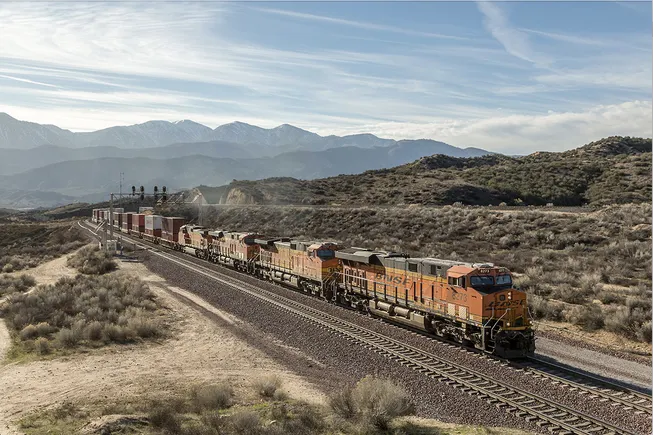
BNSF Railway announced that its $4 billion Barstow International Gateway (BIG) project has been approved by the Barstow City Council and will break ground later this year, with a target of becoming operational by the end of 2028. The project spans 4,500 acres and will integrate rail yard operations, intermodal transport, and transloading warehousing functions, aiming to shift container distribution from port-adjacent communities inland, reducing approximately 205 million truck miles, and deploying zero-emission equipment such as gantry cranes.

US President Trump signed a proclamation directing the Secretary of Commerce and the US Trade Representative to negotiate with trading partners to adjust import levels of commercial aircraft, jet engines, and parts, rather than immediately imposing tariffs. This action is based on the Section 232 investigation results, but tariffs are not implemented for now, and other measures may be considered after assessing progress within six months.
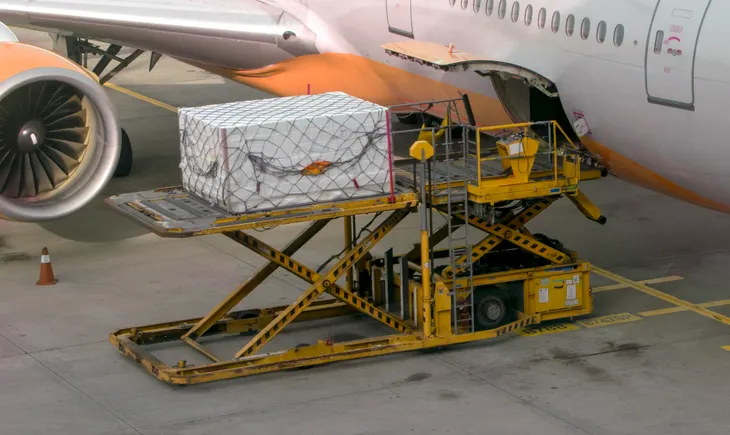
According to a report released by Xeneta on July 3, demand for AI hardware and semiconductors drove a 7% year-on-year increase in global air cargo demand in June. AI-related cargo volumes, particularly on Asia-Pacific to North America routes, are offsetting the impact of declining e-commerce shipments. Despite significant increases in trans-Pacific spot rates, rates on Europe to North America routes fell by 25%, and overall spot rate growth has moderated.
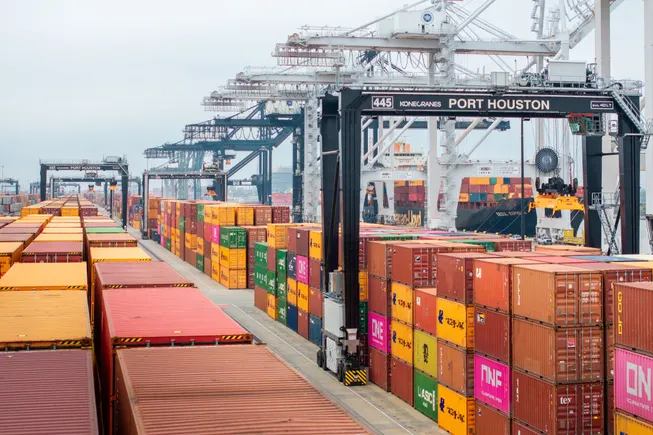
According to Freightos' weekly update on June 30, trans-Pacific freight rates have risen due to shippers front-loading cargo, creating an early peak season. Asia-to-US West Coast spot rates are $6,200 per FEU, up 120% from mid-May; Asia-to-US East Coast rates are $8,000 per FEU, up 85% in six weeks. Xeneta data shows that front-loading is driving demand, with capacity deployment on the US West Coast route reaching a record high.
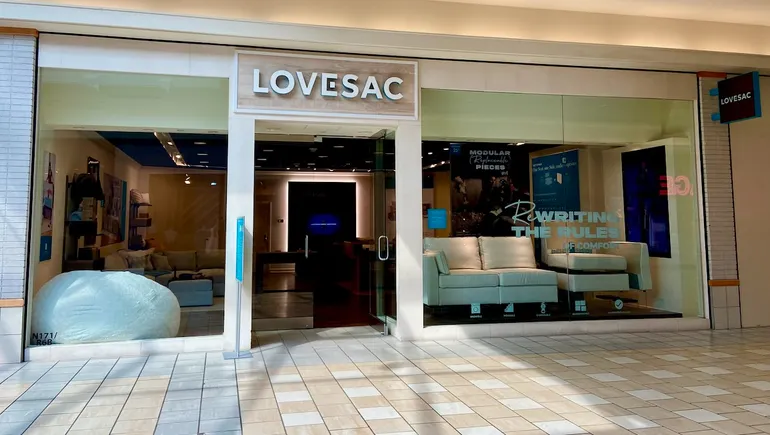
Amid rising oil prices and geopolitical uncertainty, furniture retailer Lovesac leverages contract freight partnerships to secure capacity and avoid spot market fluctuations. The company's Q1 gross profit declined, but it partially offset cost pressures by improving operational efficiency and advancing U.S.-based production.
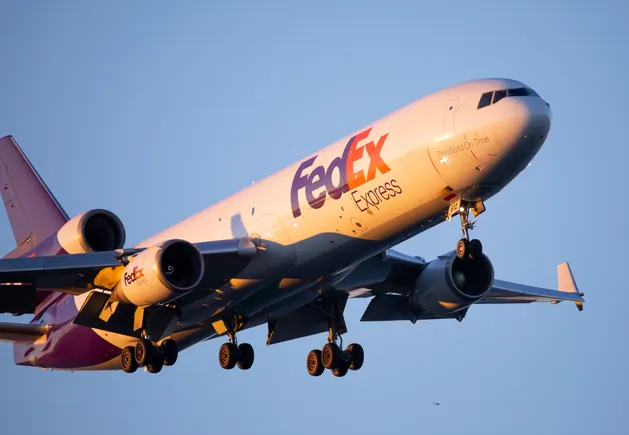
FedEx CEO Raj Subramaniam said on a June 23 earnings call that the company plans to return all Boeing MD-11 freighters to service before the peak season. The fleet was grounded last year after a fatal UPS MD-11 crash, with only 25 of 34 aircraft in service before the grounding. Last month, the company began the return to flight in coordination with Boeing, the FAA, and the NTSB, and four aircraft have already resumed flying.

As the barrier to adopting artificial intelligence lowers, emerging courier service providers are leveraging tools such as AI chatbots, image verification, and intelligent routing to improve service quality and operational efficiency, aiming to capture a larger share in a highly competitive market.

On May 14, the U.S. Supreme Court unanimously ruled that freight brokers no longer enjoy preemption defense under the Federal Aviation Administration Authorization Act in negligent hiring lawsuits. The ruling stems from the Montgomery v. Caribe Transport II case, involving a severe accident in 2017 that led to an amputation. Industry experts point out that this move will drive up insurance costs for brokers (potentially by 3 to 5 times), accelerate the exit of small carriers, and benefit large carriers and brokers with ample capital and good compliance records. The case will be remanded to the Seventh Circuit Court of Appeals for retrial, and the full legal implications may take years to materialize.