


Latest news
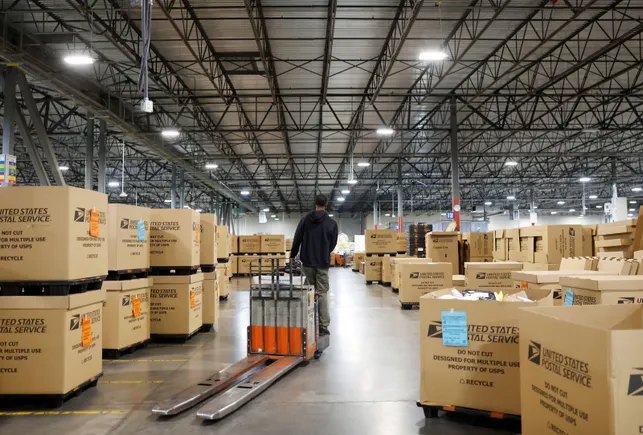
After the dramatic fluctuations caused by tariffs, the supply chain in 2026 is unlikely to return to calm. Trade policy uncertainty persists, supplies of critical materials such as semiconductors and beef are constrained, and operational cost pressures coexist with logistics reliability issues. Supply chain leaders must maintain resilience under multiple pressures.
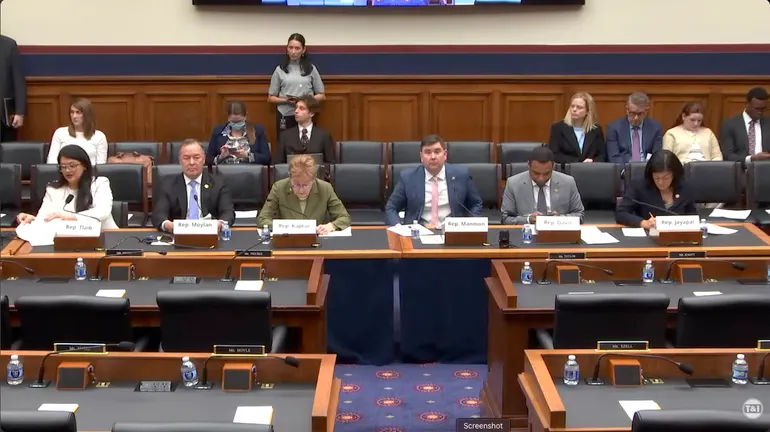
With the current five-year, $673.8 billion transportation law set to expire Sept. 30, Congress faces the challenge of crafting a successor surface transportation authorization. Industry leaders, state officials, and lawmakers outline key priorities—from maintaining historic funding levels to addressing safety, transit, and emerging technologies—while grappling with Highway Trust Fund insolvency and a polarized political climate.
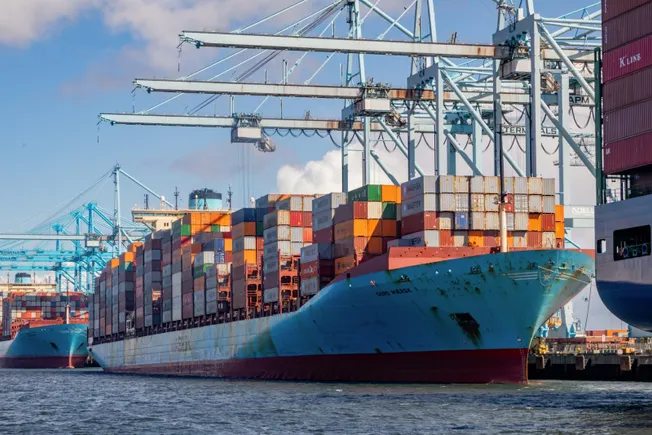
In 2026, the freight market will have sufficient capacity and contract rates favorable to shippers, but tariffs, surcharges, and service risks remain challenges. Based on interviews with multiple industry experts, this article identifies key trends in five major areas—parcel, ocean, air, rail, and trucking—providing logistics managers with strategies to respond.

In 2026, supply chain professionals will face shortages, rising costs, and shifting trade dynamics. Surging copper demand may lead to supply gaps, the US reliance on China for critical minerals is unlikely to change in the short term, medical supplies and pharmaceutical prices are expected to rise, memory chip constraints in the automotive industry will intensify, and beef supply will remain tight as cattle herds are at a 75-year low. Companies are responding by restructuring global networks, deepening supplier partnerships, and adjusting inventory and product portfolios.
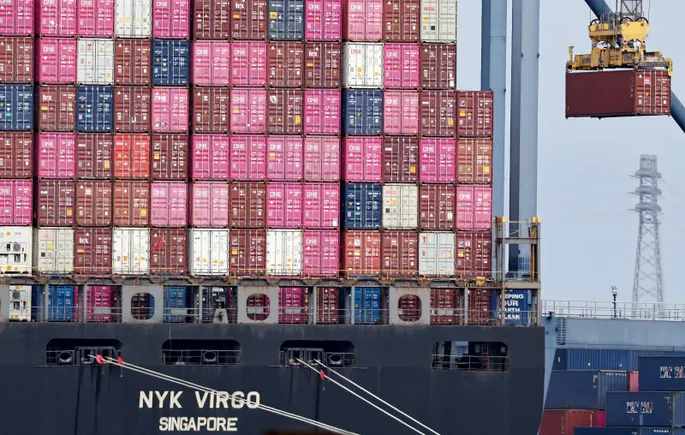
In 2026, supply chain management faces five major trends: geopolitical fragmentation, economic volatility, cost pressures, adjusted AI expectations, and workforce challenges. Experts point out that companies need to shift from short-term responses to long-term structural adjustments to seize opportunities amid uncertainty.

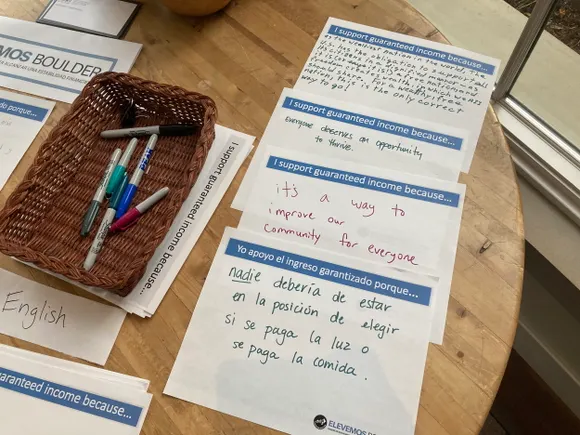
自2019年加州斯托克顿启动首个试点以来,美国已有超过150个城市推出无条件基本收入项目。近期多项研究显示,这类每月无条件现金补助有效缓解了住房、食品等基本需求压力,并改善了受助者的心理健康,但在促进长期就业和财务自给方面效果有限。部分城市已扩大或永久化该项目,也有州政府以“助长依赖”为由加以禁止。
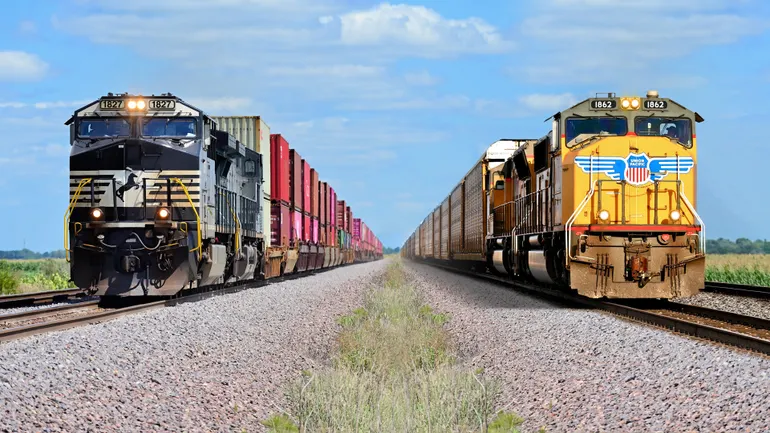
Union Pacific and Norfolk Southern say the merged network can cut full-truckload transit times for east-west gateway exchanges by up to two days, while improving reliability and reducing costs. However, some shippers, citing precedents where previous mergers failed to deliver on service commitments, are skeptical of these expectations. Experts note that interchange delays and insufficient volume at gateways like Chicago may hinder the realization of direct services.

The White House states that new tariffs this year have generated over $150 billion in revenue, but the Supreme Court's hearing in November could change this situation. If ruled unlawful, the government may need to refund approximately half of the tariff revenue. This article analyzes the refund process, uncertainties, and how cargo owners can prepare.

The Trump administration's broad use of tariffs under the International Emergency Economic Powers Act (IEEPA) is set to be reviewed by the U.S. Supreme Court. Two federal courts have already ruled such actions unlawful. This article outlines other tariff tools available to the Trump administration, including Section 232 of the Trade Expansion Act of 1962, Sections 301, 201, and 122 of the Trade Act of 1974, and Section 338 of the Tariff Act of 1930, and analyzes the legal procedures, historical precedents, and potential limitations of each tool.