


Latest news
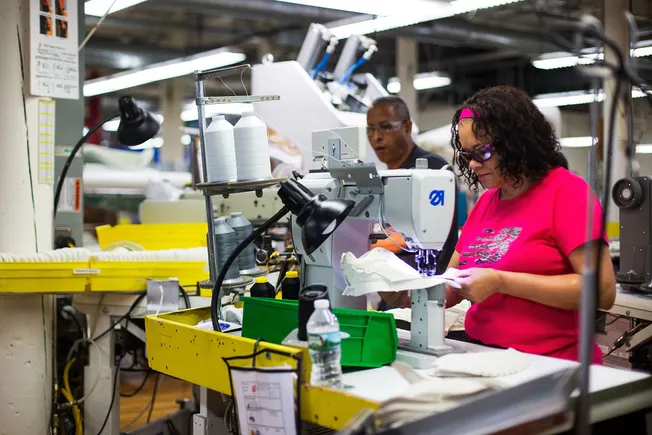
The de minimis rule allows imported goods valued under $800 to enter duty-free. While this policy benefits Chinese e-commerce platforms like Temu and Shein, as well as the logistics industry, its impact on U.S. manufacturing varies by sector. Complex manufacturers such as auto parts are largely unaffected, but low-cost manufacturers like the textile industry view the rule as a serious competitive threat. As multiple reform bills are proposed, the positions of supporters and opponents are becoming clearer. Based on Federal Reserve data, industry organization statements, and legislative progress, this article analyzes the rule's actual impact on U.S. manufacturing.
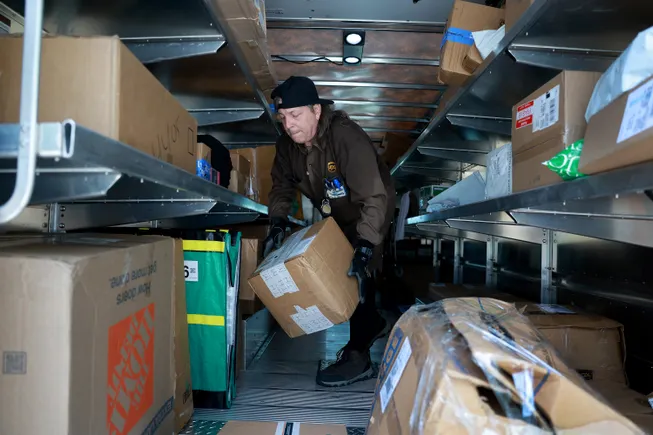
The rise of Temu and Shein has injected strong momentum into the U.S. parcel delivery market, with the two platforms providing carriers with approximately 900,000 parcels per day in July alone. However, as legislators scrutinize and customs enforcement tightens, the outlook for the duty-free policy is uncertain, and carriers and platforms must address the challenge of balancing costs and profits.

Nearly five years after tenant advocate Victoria Price testified about unsafe heat in her building, Montgomery County, Maryland, passed a law mandating air conditioning in many rentals. The rule, effective since 2020, requires landlords to provide cooling capable of reaching 80°F from June 1 to Sept. 30. Implementation faced early challenges, but officials report compliance and lessons for other jurisdictions.

Amid record-breaking heat, more U.S. cities are adopting policies that require landlords to provide air conditioning equipment capable of maintaining safe indoor temperatures. Dallas, Montgomery County, Chicago, and New Orleans have already enacted such rules, while New York City and Los Angeles County are considering similar measures. Experts highlight the importance of these policies but note challenges including energy costs, infrastructure retrofits, and the need for complementary assistance programs.
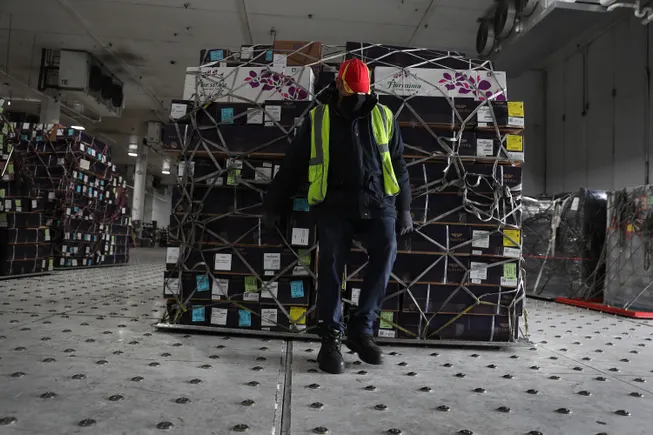
Since its establishment in 1938, the U.S. de minimis rule has undergone multiple adjustments, becoming a key pillar of cross-border e-commerce after being raised to $800 in 2016. However, amid growing concerns over Chinese influence and the smuggling of prohibited goods, the U.S. Congress and enforcement agencies are considering reforms. This article analyzes the rule's current status, stakeholder positions, and potential impacts, noting that supply chain adjustments will depend on consumer behavior and the form of policy implementation.
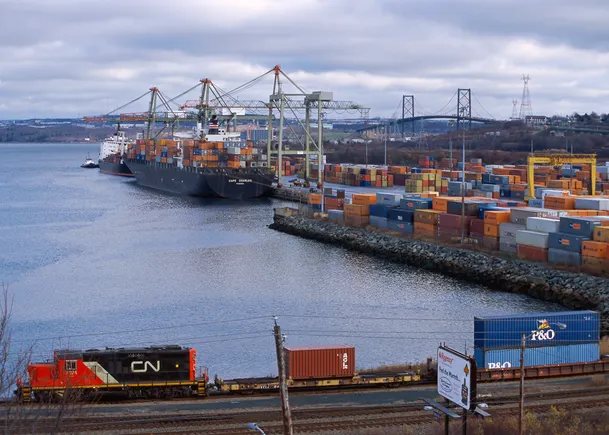
Negotiations between the Teamsters Canada Rail Conference and two major railway companies (Canadian National Railway and Canadian Pacific Kansas City) have reached an impasse, with nearly 10,000 workers potentially able to legally strike as early as after August 9. Should a strike occur, goods worth CAD 1 billion daily would face transport disruptions, impacting ports, trucking, and cross-border supply chains. Logistics firms such as C.H. Robinson, Maersk, and ITS Logistics have developed contingency plans, recommending that shippers prioritize critical cargo and consider switching to trucking or adjusting port entry points.
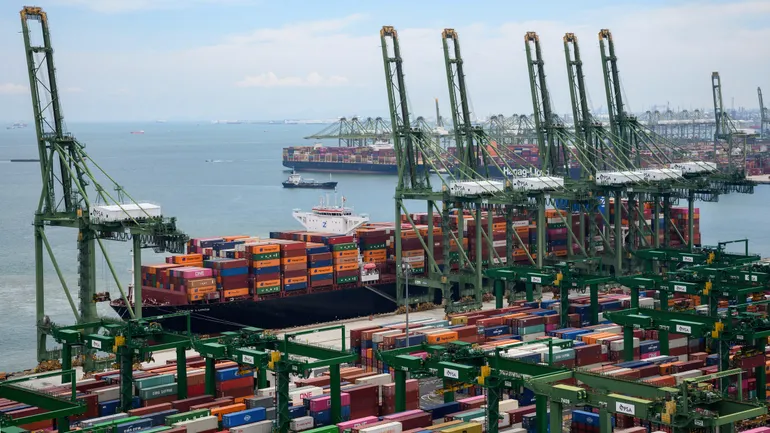
The Red Sea crisis has persisted for months, with vessel diversions leading to capacity constraints and significant increases in freight rates on Asia-to-US routes. This article explores the driving factors behind the rate increases and provides recommendations for cargo owners.

As Kodiak Robotics and Aurora Innovation move closer to operating driverless trucks on public roads in Texas, a recent demonstration and safety data reveal the progress and challenges of full autonomy.
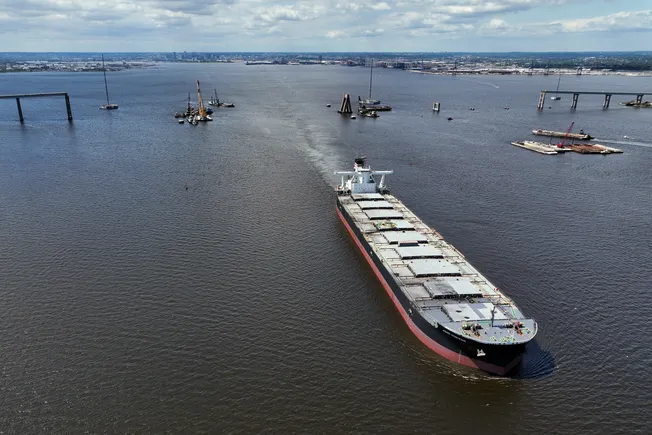
Eleven weeks after the collapse of the Francis Scott Key Bridge, the Port of Baltimore fully reopened on Wednesday. Although port executive director Jonathan Daniels expects vessel numbers to return to previous levels only by 2025, bookings are rising, and labor, trucking, and supply chain executives say most clients plan to return. The port has also added cargo data-sharing projects and vehicle storage capacity to enhance resilience.
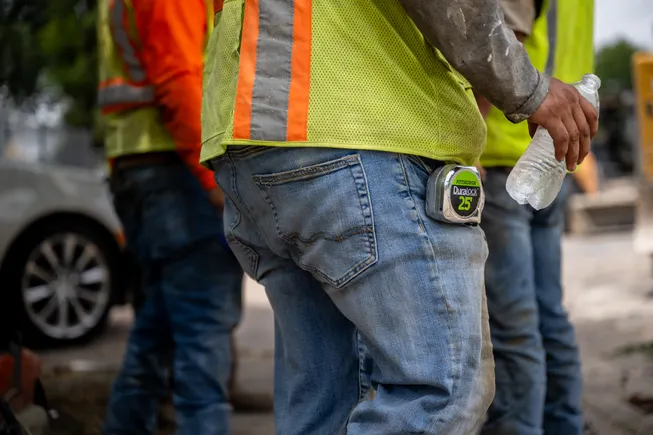
随着美国西部多地气温突破三位数华氏度,建筑行业领导者表示已制定应对极端高温的全面计划,包括调整工作时间、设置降温站、加强热疾病预防培训等,以确保今夏工人安全。