


Latest news

This summer marks the first real-world test of divergent heat safety policies for outdoor workers. Texas and Florida have enacted laws prohibiting local governments from requiring employer-provided water breaks, while Phoenix has adopted a city ordinance mandating heat safety plans for contractors. Meanwhile, OSHA advances toward a federal heat standard.
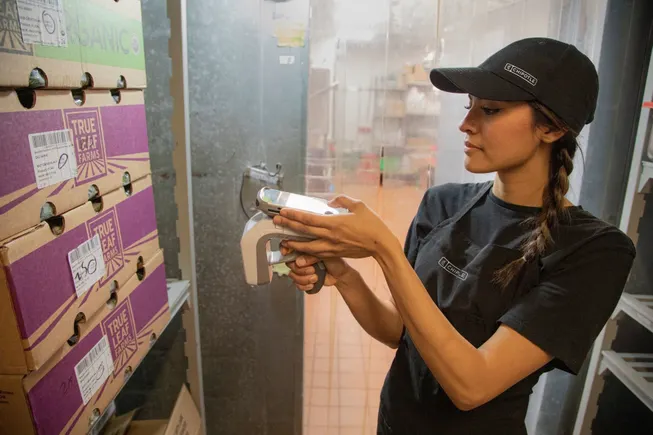
Carlos Londono, Vice President of Supply Chain at Chipotle, stated that the company has required all suppliers to attach RFID tags to products, making it the first restaurant chain to adopt the technology at scale. After completing a pilot at 200 restaurants in the Chicago area, the company is on track to roll out RFID to all 3,500 restaurants by the end of the year. The technology has already been implemented in Southern California, significantly improving inventory counting efficiency and traceability. Additionally, Chipotle is advancing a supplier visibility project on the Oracle platform and upgrading its enterprise resource planning (ERP) system.
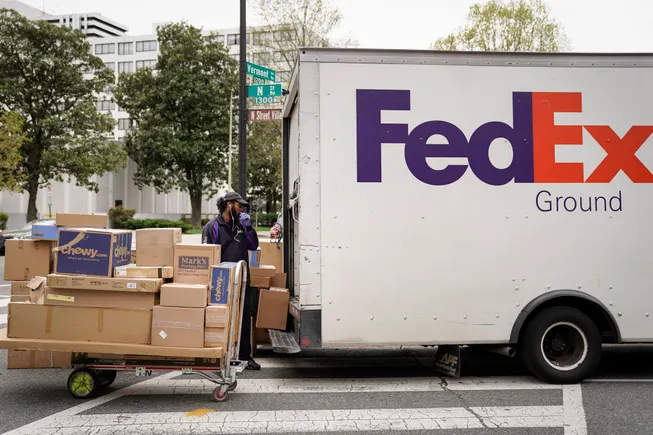
As large customers build their own logistics, switch service providers, and market demand weakens, UPS and FedEx are turning their attention to small and medium-sized business (SMB) shippers. Experts say SMB packages are more profitable and serve as a growth engine for express delivery. UPS enhances services through digital tools and AI, while FedEx attracts customers via network integration and the fdx platform. Meanwhile, Amazon poses a potential threat with its logistics network.
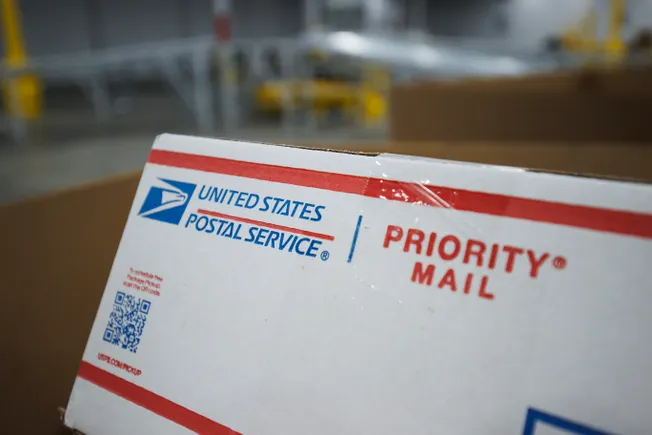
The United States Postal Service (USPS) is considering adjusting its partnership model with shipping consolidators, proposing to move package delivery points from end delivery units upstream in the network. Experts point out that this change could affect service levels, push up end prices, and prompt consolidators to reassess their partnerships.
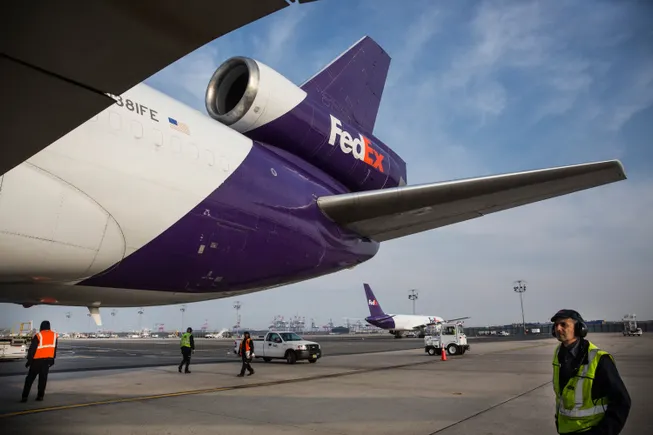
FedEx's air cargo network may face major adjustments in October, as its express division loses the United States Postal Service, its largest customer. Analysts expect FedEx may cut 50% of its daytime flight capacity, saving $1.5 billion in costs. The company has been actively reducing costs through its DRIVE program and has grounded 37 aircraft. Pilot union representatives also anticipate a significant reduction in daytime flights.

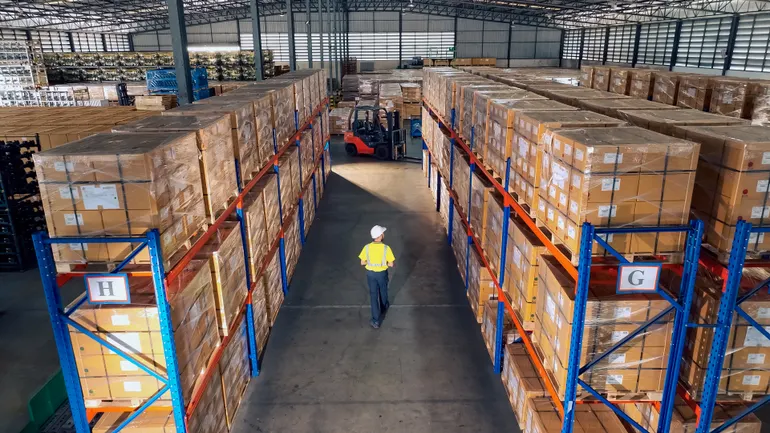
Industry experts say shippers seeking the lowest trucking rates should lock in current prices as soon as possible. Carriers have begun to signal market improvements, and future transportation costs may rise. Although brokers believe capacity remains过剩, multiple data points indicate the market has bottomed out, and rates will not stay low forever.

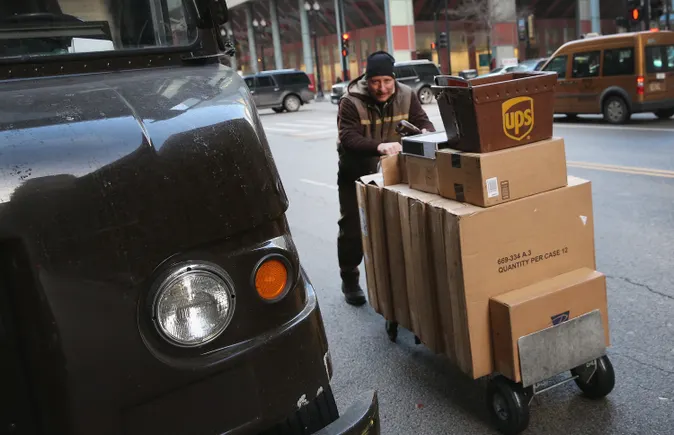
United Parcel Service (UPS) announced 12,000 layoffs in early 2024, but prior to that, the company had been steadily reducing its workforce through various means. By the end of 2023, UPS's total employee count had dropped nearly 8% from its pandemic peak. CEO Carol Tomé stated that management has effectively controlled operational staffing to match business volumes. Industry experts believe that weak demand, cost pressures from new union contracts, and the company's strategy of transitioning toward automation and higher-margin businesses have jointly driven this round of workforce reduction.
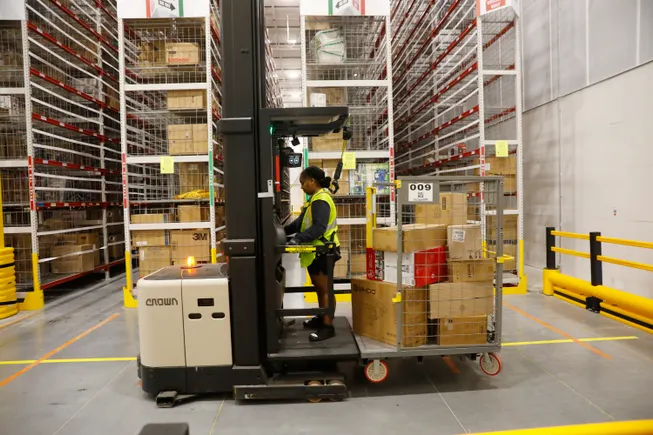
U.S. warehousing employment continues to decline, with the workforce dropping to 1.85 million in December 2023, the lowest since November 2021. In 2024, several companies have announced layoffs across retail, e-commerce, and third-party logistics, impacting over 2,800 people. Companies are reducing costs and improving efficiency by consolidating networks and shifting to store-based fulfillment.