


Latest news
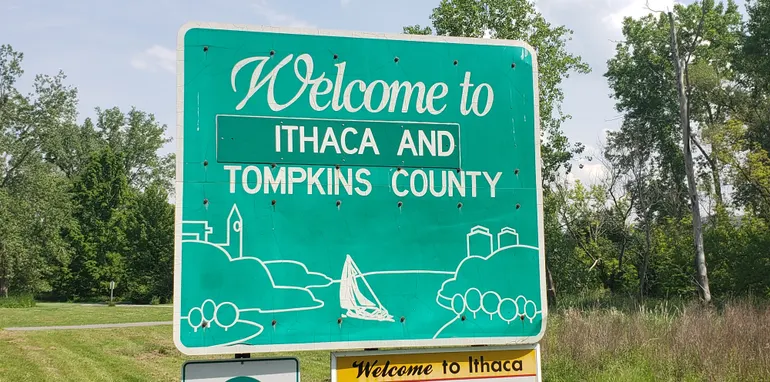
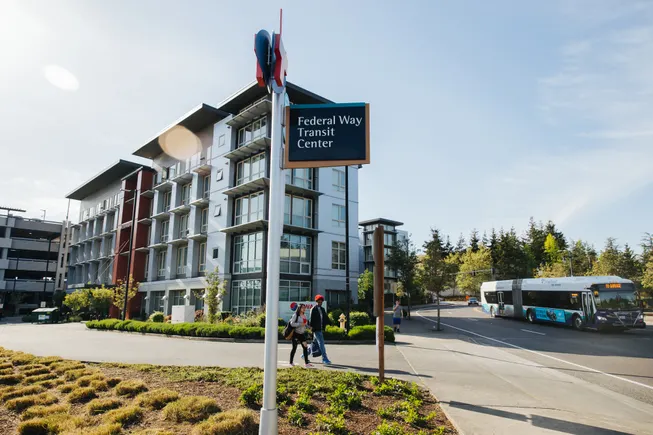
Transit-oriented development (TOD) is expanding across U.S. cities as they face declining ridership and rising housing costs. Sound Transit's Angle Lake project and MARTA's Bankhead station are examples. Federal grants and the bipartisan infrastructure law support these efforts, but experts caution that TODs must include anti-displacement measures and community engagement to benefit existing residents.
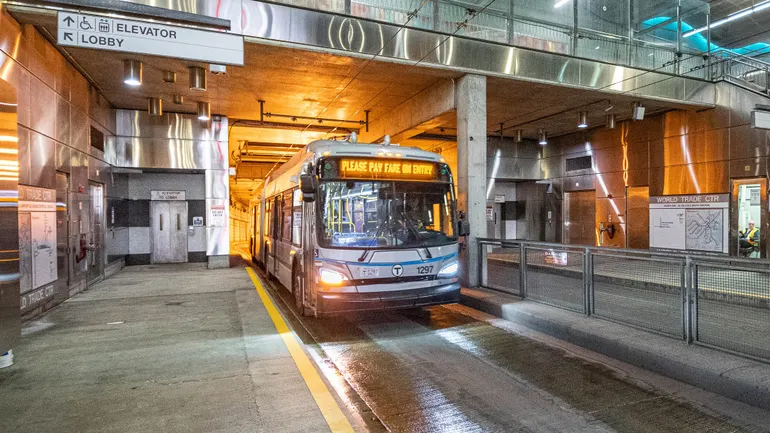

Despite the omicron variant's shadow over CES, EV announcements dominate. Legacy automakers like GM, BMW, and Mercedes are unveiling new models, aiming to leapfrog Tesla. With consumer interest in EVs tripling since 2018, the industry is at an inflection point. Experts discuss strategies from emphasizing function over sustainability to exploring the metaverse, while supply chain issues remain a hurdle.

The pandemic has intensified loneliness among older adults, but technology offers a lifeline. From virtual senior centers to federal broadband investments, communities are working to bridge the digital divide and improve seniors' mental and physical health.

Living wage ordinances, which apply only to certain workers, may not significantly alter local economies, but experts say their greatest effect could be on public opinion and the momentum behind current minimum wage campaigns.


从奥兰多的飞行出租车计划到匹兹堡的2070年愿景,美国多座城市正积极布局未来交通。然而,倡导者警告,过度关注新技术可能忽视当前基础设施的迫切需求。本文探讨了城市如何在创新与务实之间取得平衡。

A Smart Cities Dive survey of leaders from 15 major U.S. cities reveals a shift from tech-centric projects to a focus on digital justice, anti-racism, and equity. Cities like Portland, Boston, and San Antonio plan to embed these principles into their smart city strategies, while also prioritizing community engagement and data-driven governance. However, obstacles such as funding limitations, security concerns, and resident trust remain significant hurdles.
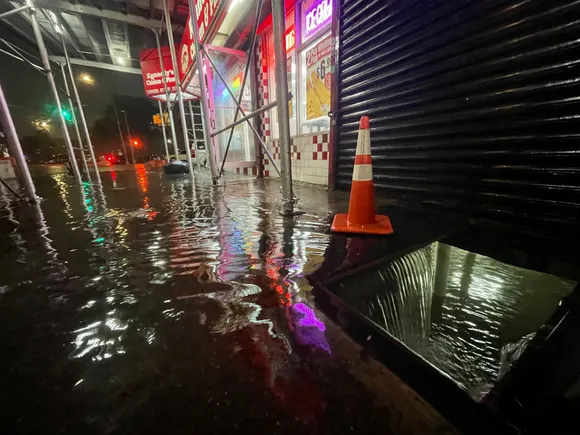
As cities grapple with affordable housing crises, basement apartments offer a potential solution, yet the growing threat of climate-fueled flooding raises safety concerns. New York's pilot program lags, while Chicago, Boston, and others explore accessory dwelling units with flood-resilient regulations. Innovative insurance and risk tools aim to protect vulnerable residents.