


Latest news
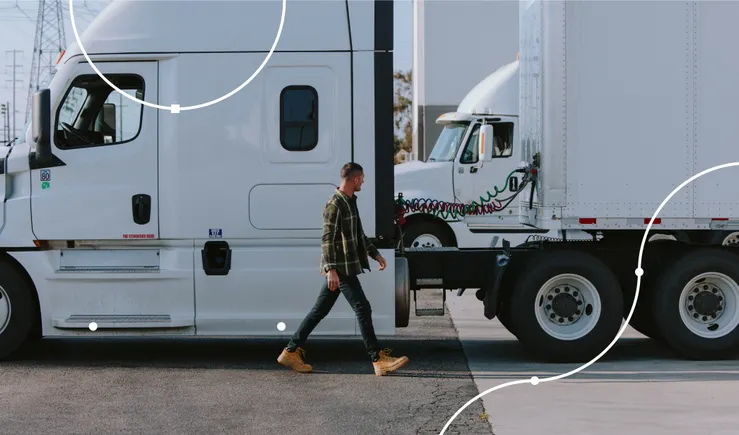
In volatile markets, shippers face the dual challenge of maintaining service and controlling costs. This article points out that simply increasing the number of carriers does not guarantee reliable capacity; the key lies in the optionality provided by network scale, mode-agnostic scheduling capabilities, and network-level collaborative execution. Uber Freight's case shows that through a multi-shipper network and intelligent systems, companies can increase routing guide compliance to 97% during disruptions and achieve 96% on-time delivery during peak seasons.
On August 25, Suntory Global Spirits announced that Manuel Cabañas, currently Vice President of Global Manufacturing, will be promoted to Senior Vice President and Chief Supply Chain Officer, effective September 4. He will lead the global supply chain organization for brands including Jim Beam and Maker's Mark, reporting to President and CEO Greg Hughes. His predecessor, Alex Alvarez, will move to Constellation Brands' beer division.
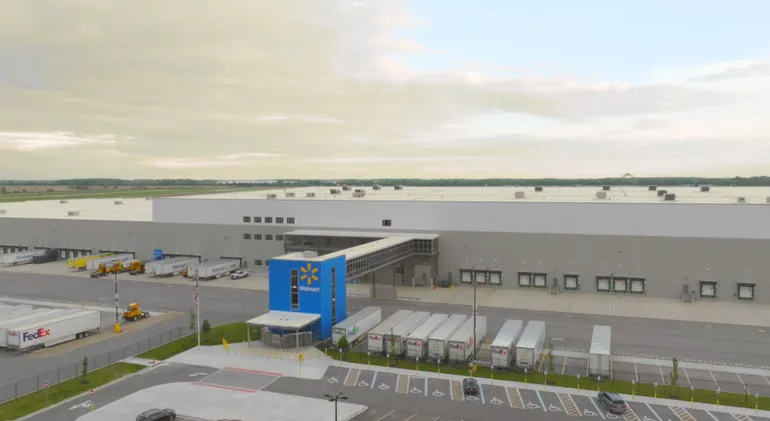
Walmart plans to build a new 1.5 million-square-foot automated fulfillment center in Carnesville, Georgia, with a total investment of $1.3 billion, expected to create 1,000 jobs. The project is part of Walmart's next-generation fulfillment center network, aimed at enhancing nationwide same-day and next-day delivery capabilities. Construction is expected to begin in late 2026.
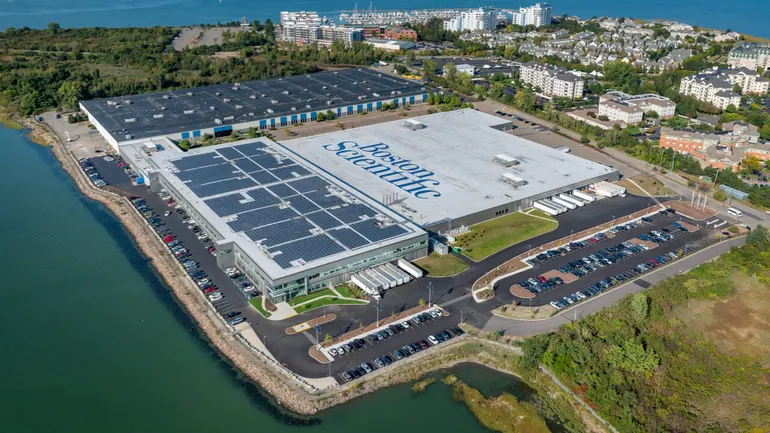
Boston Scientific disclosed on Wednesday that a cyberattack has affected its ability to process and ship customer orders. The company has filed with the U.S. Securities and Exchange Commission and activated its emergency response.
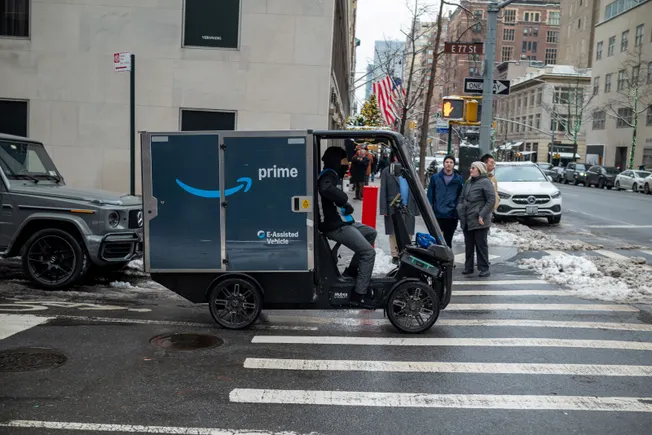
A bill in New York City aimed at restricting third-party delivery models—the Delivery Protection Act—is drawing widespread attention in the logistics industry. The act would require large last-mile warehousing and delivery facilities to directly hire workers. If passed, it could raise delivery costs, prompt businesses to move operations outside the city, and have far-reaching effects on the operations of companies including Amazon, FedEx, and even DoorDash.
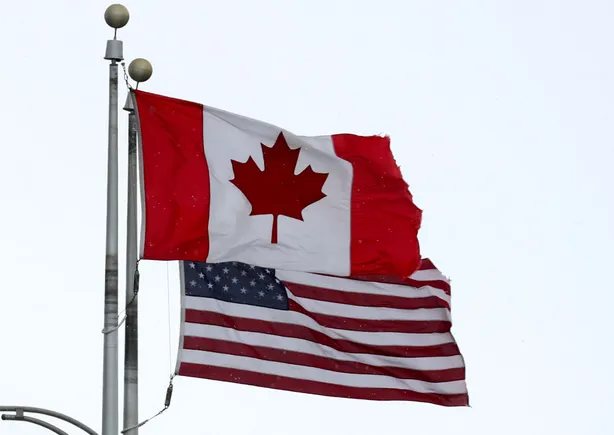
The United States and Canada failed to reach an agreement on tariffs, with both sides imposing high tariffs on each other, raising concerns across industries. Industry associations in agriculture, apparel, retail, and consumer goods point to heightened risks of supply chain disruptions and rising costs, urging both parties to return to the negotiating table.
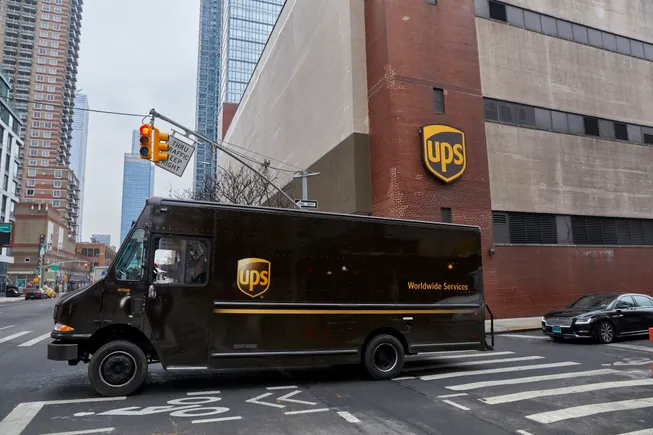
UPS has released its 2026 holiday demand surcharge schedule, joining FedEx and the United States Postal Service in raising peak-season rates. The new fees will take effect in phases on September 27 and October 25, lasting through January 16, 2027. Handling and dimensional surcharges are up approximately 6% to 10% from 2025, while service-level surcharges have risen by about 22% to 25%.

Trade tensions between the United States and Canada continue to escalate, directly impacting the highly integrated North American packaging supply chain. Canada has announced retaliatory tariffs of up to 50% on US goods, including pulp, paper, aluminum, and steel, while the US has imposed high tariffs on Canadian lumber, paper, and metals. Packaging industry companies are assessing the potential impact, and industry associations are calling for resolution through negotiations to avoid long-term damage to manufacturers, workers, and consumers in both countries from cross-border supply chain disruptions.
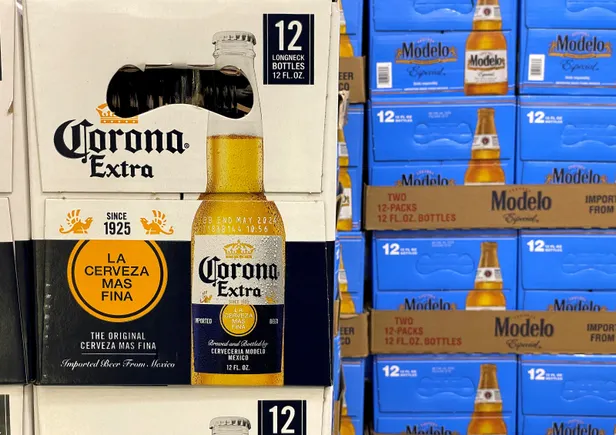
Constellation Brands announced on August 25 that Alex Alvarez will assume the role of Senior Vice President and Chief Supply Chain Officer of the beer division starting September 14, succeeding John Kester, who plans to retire in November. Alvarez brings over 30 years of experience in operations and supply chain management, having previously held a similar position at Suntory Global Spirits.
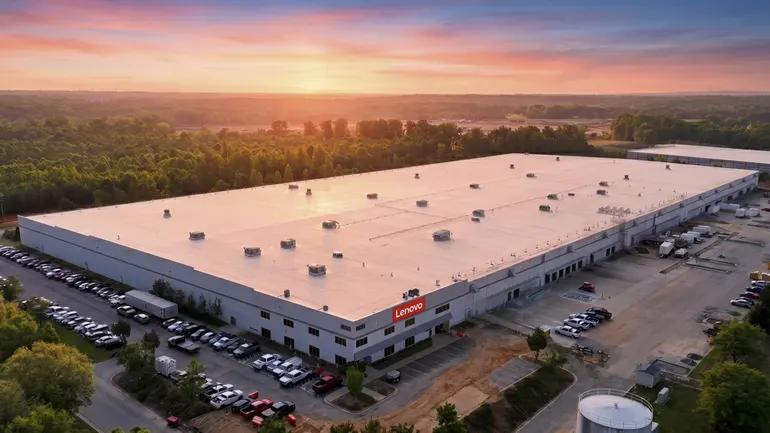
Over the past two years, Lenovo Group has continuously expanded its global manufacturing network, using regional production to reduce tariff and geopolitical risks and enhance supply chain resilience. Its latest initiatives include opening a factory in Riyadh, Saudi Arabia, to serve the Middle East and Africa markets, and doubling production capacity at its North Carolina plant in the US. However, the AI data center boom has driven up demand for semiconductors such as memory, causing lead times for some server components to approach one year. Lenovo faces severe order backlogs, with its AI server pipeline orders reaching $54 billion.