


Latest news
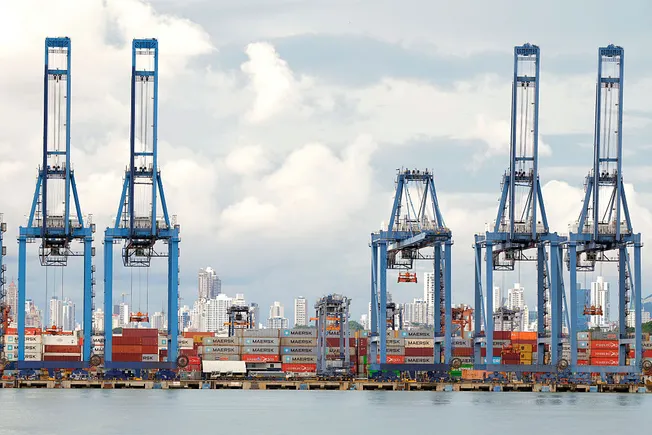
The ongoing drought in the Panama Canal has caused water levels to drop, leading Mediterranean Shipping Company (MSC) and CMA CGM to successively announce adjustments to Panama Canal surcharges. MSC has introduced a new surcharge of USD 100 per TEU, effective August 19; CMA CGM has increased its surcharge from USD 40 to USD 100, effective July 25. The Canal Authority also plans to further reduce the maximum vessel draft and is considering limiting daily booking slots.

U.S. President Trump announced on Truth Social that he plans to raise tariffs on generic drugs to 200% over the next few years to drive pharmaceutical production back to the United States. The new tariffs will be implemented in phases starting August 1, first maintaining 0% for two years, then rising to 100% for one year, and finally reaching 200%. This move has drawn attention from trade policy experts and may affect the global pharmaceutical supply chain.
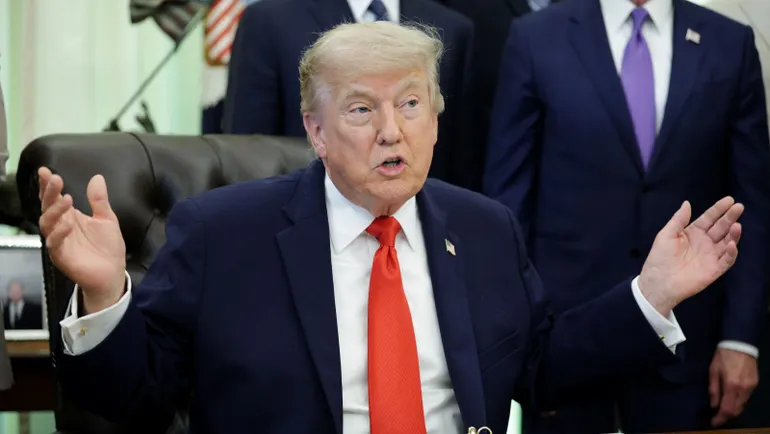
U.S. President Trump issued multiple proclamations on Monday, determining under Section 338 of the Tariff Act of 1930 that Canada's trade practices in key sectors such as alcohol, dairy, and automobiles constitute discrimination, and decided to impose 50% tariffs on various imports from Canada effective August 19. The tariffs apply to all covered goods, regardless of whether they originate under the USMCA, except for energy, potash, goods covered by Section 232, and certain fish and critical minerals. Canadian Prime Minister Carney called the move a "direct violation" of the USMCA but expressed willingness to engage in intensive consultations on modernizing the agreement and resolving trade disputes.
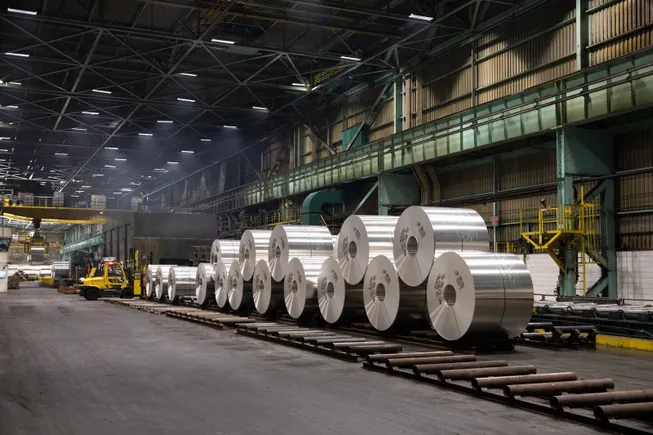
U.S. President Trump signed a proclamation to halve the annual aluminum import tariff for companies that commit to investing in aluminum production in the U.S. The plan is to be implemented by Commerce Secretary Howard Lutnick, with companies required to begin construction by January 20, 2029. This move continues similar incentive policies previously offered to steel and aluminum producers in Canada and Mexico.
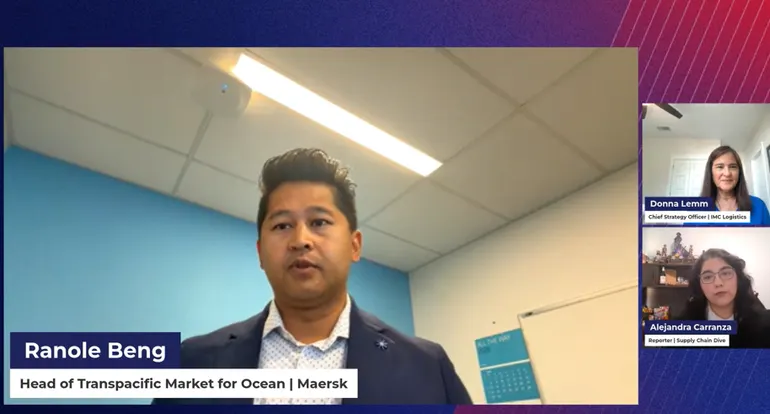
During the online event 'Supply Chain Outlook: 2026 Trends and Risks' held on July 15, multiple logistics executives pointed out that in 2026, the logistics industry is facing multiple challenges including trade policy volatility, capacity tightening, cargo theft, and geopolitical conflicts. Although industry resilience has been tested, maintaining agility and flexibility remains crucial in the future.
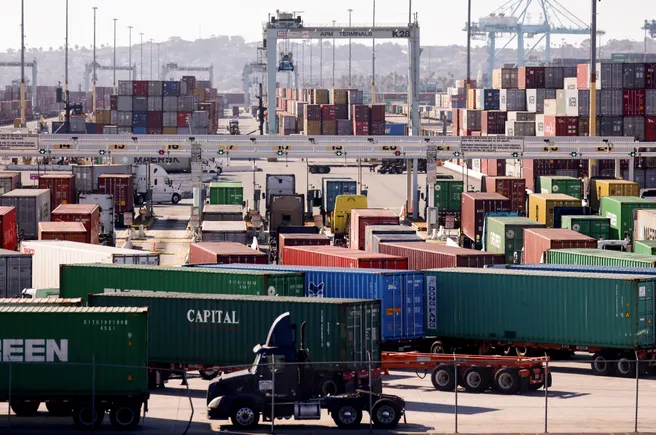
At a media briefing on July 15, Port of Los Angeles Executive Director Gene Seroka noted that businesses are moving away from traditional seasonal shipping patterns and toward flexible transportation at favorable times. In June, the Port of Los Angeles handled over 1 million TEUs, its best performance for that period in 118 years, while the Port of Long Beach grew 10.6% year-over-year. Tariff policies, the Iran war, and rising fuel costs have increased uncertainty, and July cargo volumes are expected to remain strong.
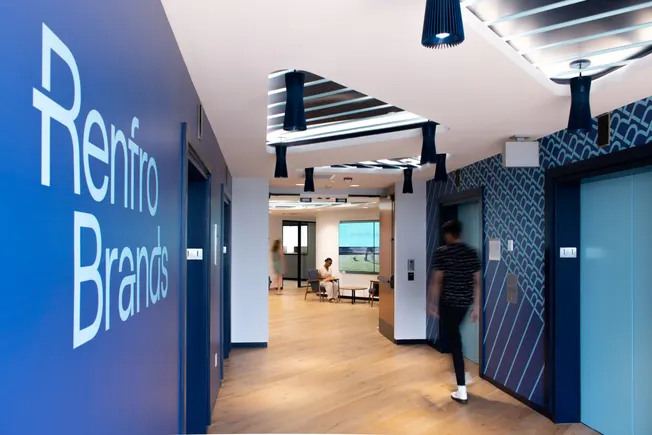
Renfro Brands plans to expand its use of Inspectorio's AI supply chain platform to streamline regulatory compliance processes and improve network visibility. The company will add responsible sourcing, compliance, and traceability features, replacing manual processes with AI workflows to strengthen social and environmental compliance management across sourcing locations in North America, Europe, and Asia.
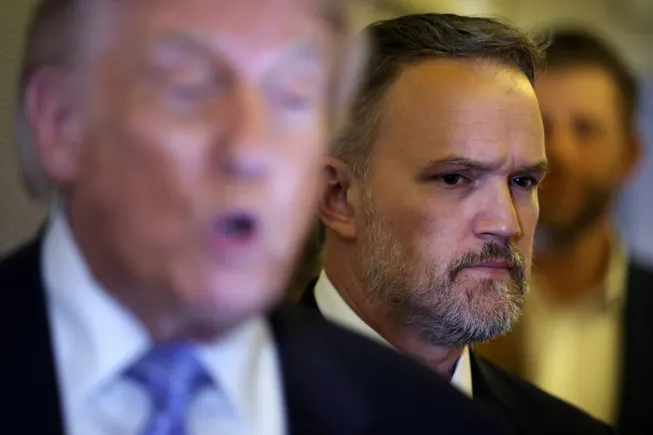
The Office of the United States Trade Representative announced that starting July 22, a 25% tariff will be imposed on most imports from Brazil, along with a published exemption list and an expanded scope of exemptions. This action stems from a Section 301 investigation into Brazil's trade practices.
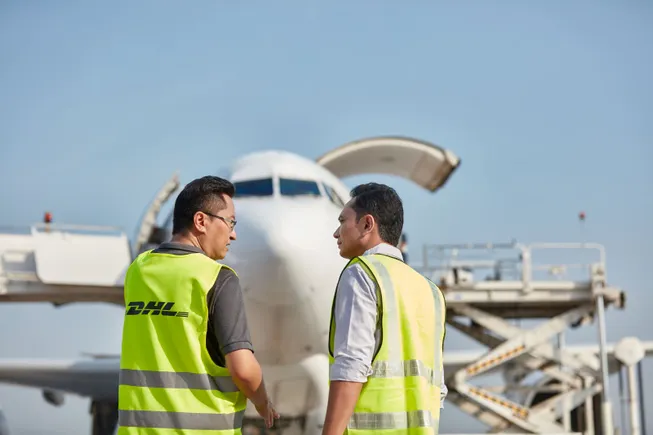
DHL Global Forwarding announced on July 9 the addition of a thrice-weekly cargo flight route from Bangkok to Cincinnati, aimed at providing shippers with more stable flight schedules and predictable costs. The route has been operating since July 1, with a capacity of 100 tons per flight, suitable for oversized and high-value cargo. This move is part of DHL's strategy to expand its air freight network, and it has recently also increased capacity between Asia and Europe. Currently, the technology sector is the main driver of additional capacity demand in Southeast Asia.
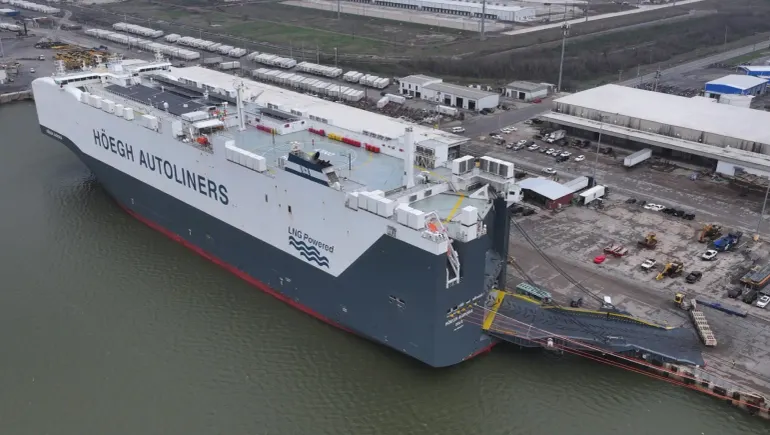
Mitsubishi Motors North America announced an agreement with port operator AMPORTS and the Port of Freeport, Texas, to enhance its vehicle distribution capabilities along the U.S. Gulf Coast and Midwest. This initiative aims to accelerate vehicle delivery by optimizing logistics processes and enhancing supply chain flexibility.