


Latest news

Industry experts predict that in 2024, parcel shippers may reduce the number of delivery service providers they use, regional small carriers face consolidation pressure, and FedEx and UPS are competing for market share through discount strategies.

The widespread packaging supply issues of 2023 have extended into the new year. Domestic dairy plants, schools, and others continue to face a half-pint carton shortage that has persisted for months. Although predictions suggest the problem may not be resolved before the end of the school year, some assistance has already been provided to a certain extent. Sources indicate that Pactiv Evergreen's closure of its Olmsted Falls, Ohio, plant last year, which produced 8-ounce cartons, may be one reason for the ongoing supply disruption.
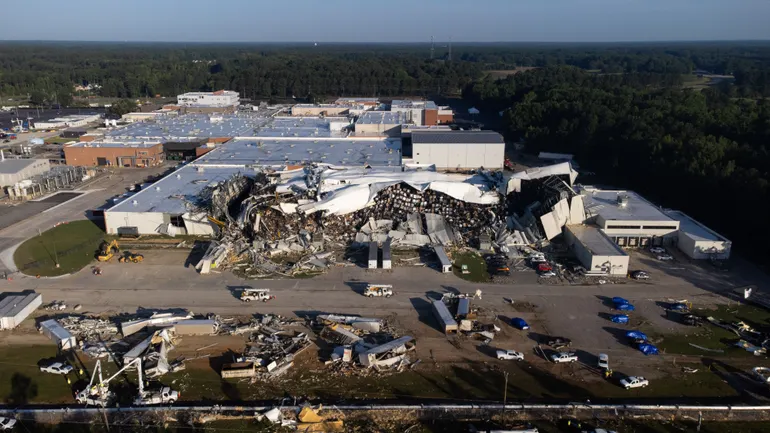
After years of supply chain disruptions, the risk of supply shortages persists in 2024. Based on analyses from industry experts and institutions, this article outlines potential shortage points across five major areas: pharmaceuticals and medical supplies, food, battery minerals, and climate- and geopolitically-driven factors, and notes that companies are shifting from a cost-first approach to a strategy that also prioritizes resilience.

As the year-end approaches, Suez Canal routes face severe challenges due to Red Sea attacks. Approximately 55 vessels have been rerouted via the Cape of Good Hope, with multiple shipping lines announcing diversions or suspensions of Red Sea transits and imposing surcharges. Based on interviews with experts from organizations such as Flexport, Kearney, and Freightos, this article analyzes five major issues: carrier responses, alternative routes, freight rate trends, affected cargo types, and insurance risks, providing decision-making references for shippers.
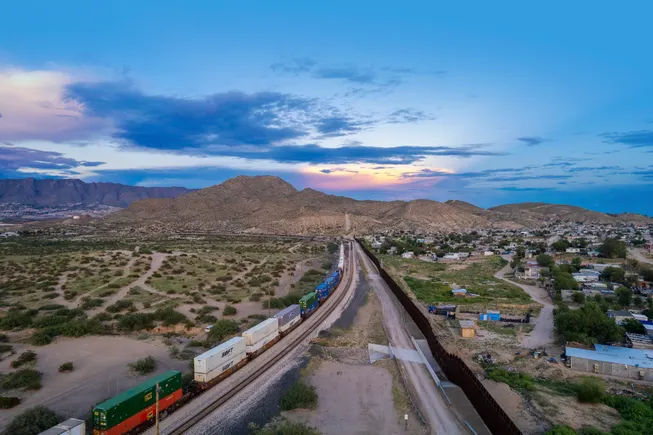
Mexico's nearshoring wave is not an overnight development but the result of years of trade agreements and industrial accumulation. The automotive industry attracts substantial foreign investment, and logistics companies are expanding their presence, yet investment concentration is evident. Combining data and expert perspectives, this article analyzes how Mexico has become a key link in the U.S. supply chain.

As US-China trade tensions persist, Vietnam, leveraging its labor cost advantages, tax incentives, and network of free trade agreements, is attracting global giants such as Intel, Amkor, and Google to increase investment, becoming a key destination for manufacturing supply chain relocation.


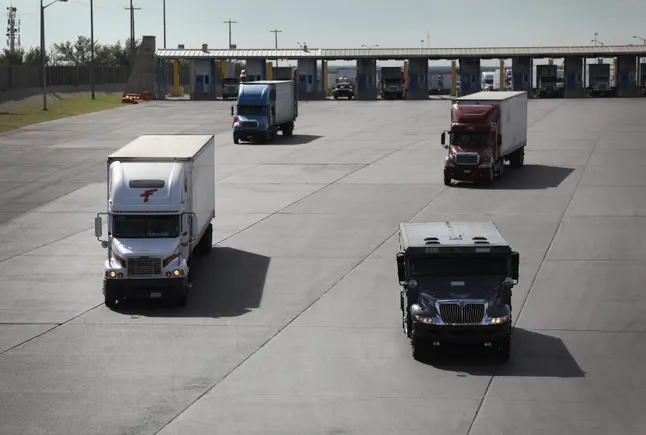
Global supply chains are undergoing profound transformation, with manufacturers investing in new plants in regions closer to consumers or with lower risks to enhance resilience. Logistics companies are following the flow of capital, striving to gain an edge amid the geographic shift in demand by expanding cross-border services, opening new routes, and investing in key markets. This article reviews the latest developments in maritime, air, and multimodal transport.

With the increasing frequency of climate disasters such as tornadoes, floods, and hurricanes, U.S. commercial property insurance costs have surged, rising 15% last year—the largest increase in over 30 years. Data from the Swiss Re Institute shows that commercial property insurance claim costs soared 30% in the first half of 2023. Experts point out that CFOs need to address this from five aspects: reassessing risk tolerance, strengthening cooperation with insurers, increasing disaster prevention investment, exploring innovative products like parametric insurance, and leveraging data analysis tools.